



If you’re planning a trip to Kerala, knowing when to go can make all the difference. Kerala offers distinct moods through the year — misty hills, lush monsoon forests, golden beaches, calm backwaters — and each season brings its own advantages and compromises. In this guide, you’ll find the best windows for different traveller styles, plus tips for each season. For more travel ideas and itineraries, don’t forget to check out the Planet Earth Holidays Blog
Kerala’s Climate at a Glance
Kerala’s weather is broadly divided into three seasons:
- Winter / Dry Season (October to February / March)
- Summer / Pre‑Monsoon Season (March to May)
- Monsoon Season (June to September)
Each phase has its own character in terms of rainfall, temperature, and travel possibilities. (Sources: Thomas Cook guide, Kerala Tourism, IndianHoliday) EaseMyTrip+3Thomas Cook+3Kerala Tourism+3
Winter / Dry Season (October to February / early March) — The Peak Time
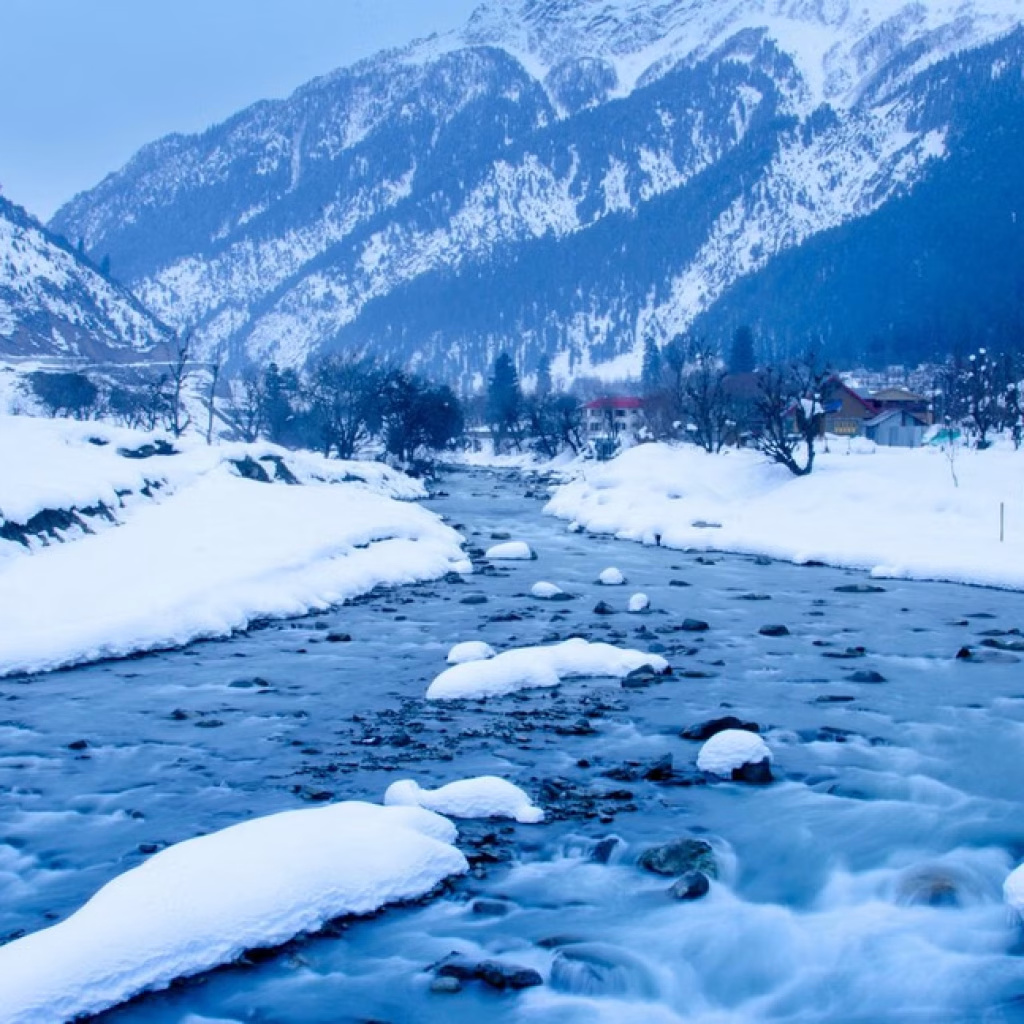
Why it’s great
- The weather is pleasant, with lower humidity, clear skies, and moderate temperatures — ideal for sightseeing, beach time, backwaters, and hill stations. Thomas Cook+3Kerala Tourism+3Indian Holiday+3
- Most tourist infrastructure is fully operational.
- Festivals, cultural events, and festivities are at their height (Christmas, New Year, local temple festivals).
Where it shines
- Beaches & backwaters: This is the safest stretch for swimming, water sports, and houseboat cruising. Thomas Cook+2EaseMyTrip+2
- Hill stations & plantations: The hills are at their most accessible and scenic.
- Wildlife & nature: Safari zones, parks, and sanctuaries are open and pleasant.
Things to watch
- Because this is the “best time,” prices tend to be higher and availability lower. Book early. Thomas Cook+2EaseMyTrip+2
- Nights in the hills can get cooler — carry a light sweater if you head to places like Munnar or Wayanad.
Summer / Pre‑Monsoon (March to May) — Warm, Lighter Crowds, Some Trade‑offs
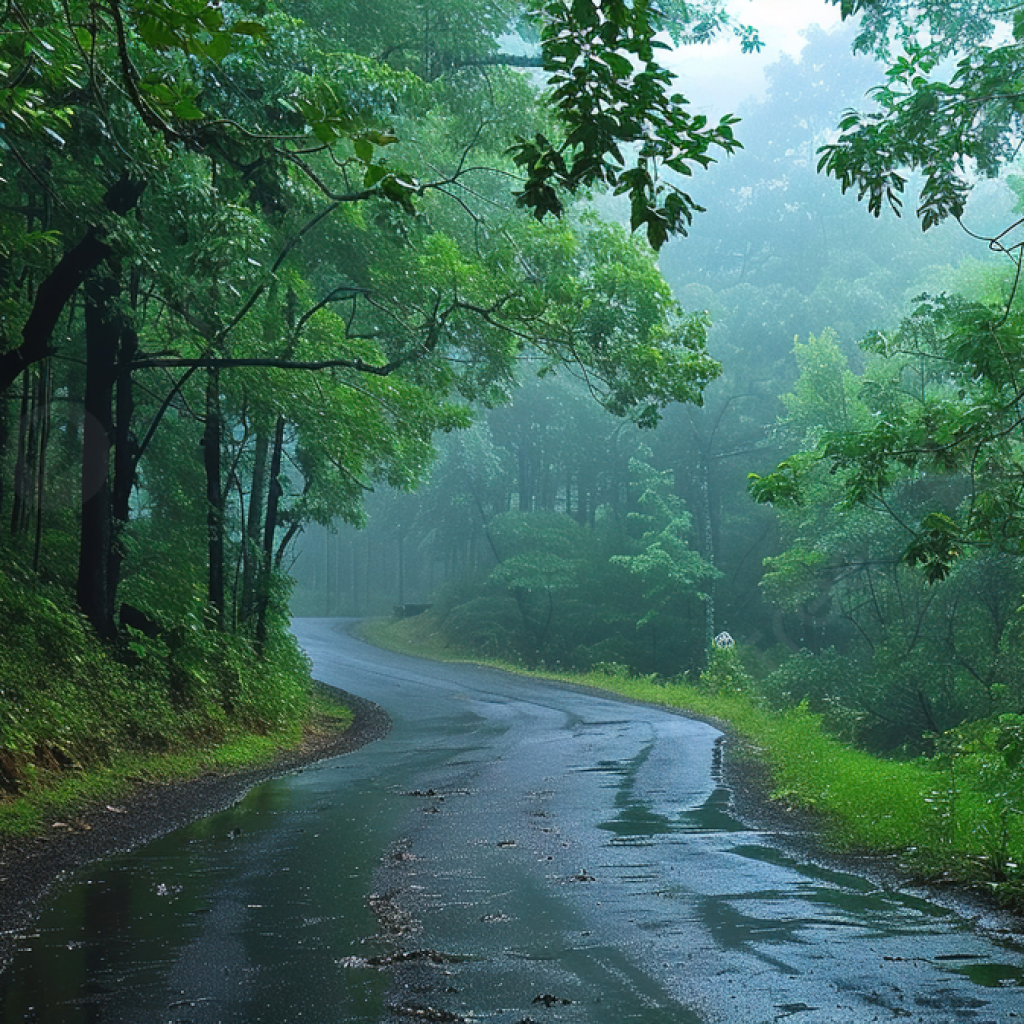
What to expect
- Temperatures climb, especially in the plains and coastal regions; 32 °C to 36 °C or more in the hot stretches. Indian Holiday+2EaseMyTrip+2
- Humidity becomes more noticeable.
- However, tourist flows begin to taper off after the winter peak.
Why you might choose summer
- Budget advantage: Accommodation and transportation often offer off‑peak discounts. EaseMyTrip+2Indian Holiday+2
- Clear skies & visibility: Great time for photography, hill views, sunrise/sunset scenes.
- Hill & highland relief: Places like Munnar, Thekkady, Wayanad get cooler and are especially attractive during summer. Experience Kerala Holiday Planners+2Indian Holiday+2
Things to be cautious about
- The heat can be tiring if you plan many outdoor activities in the plains.
- Midday sightseeing in lowlands can be challenging — better to schedule for mornings or evenings.
- Hydration, sun protection, light clothing are musts.
Monsoon (June to September) — Green, Healing & Intense
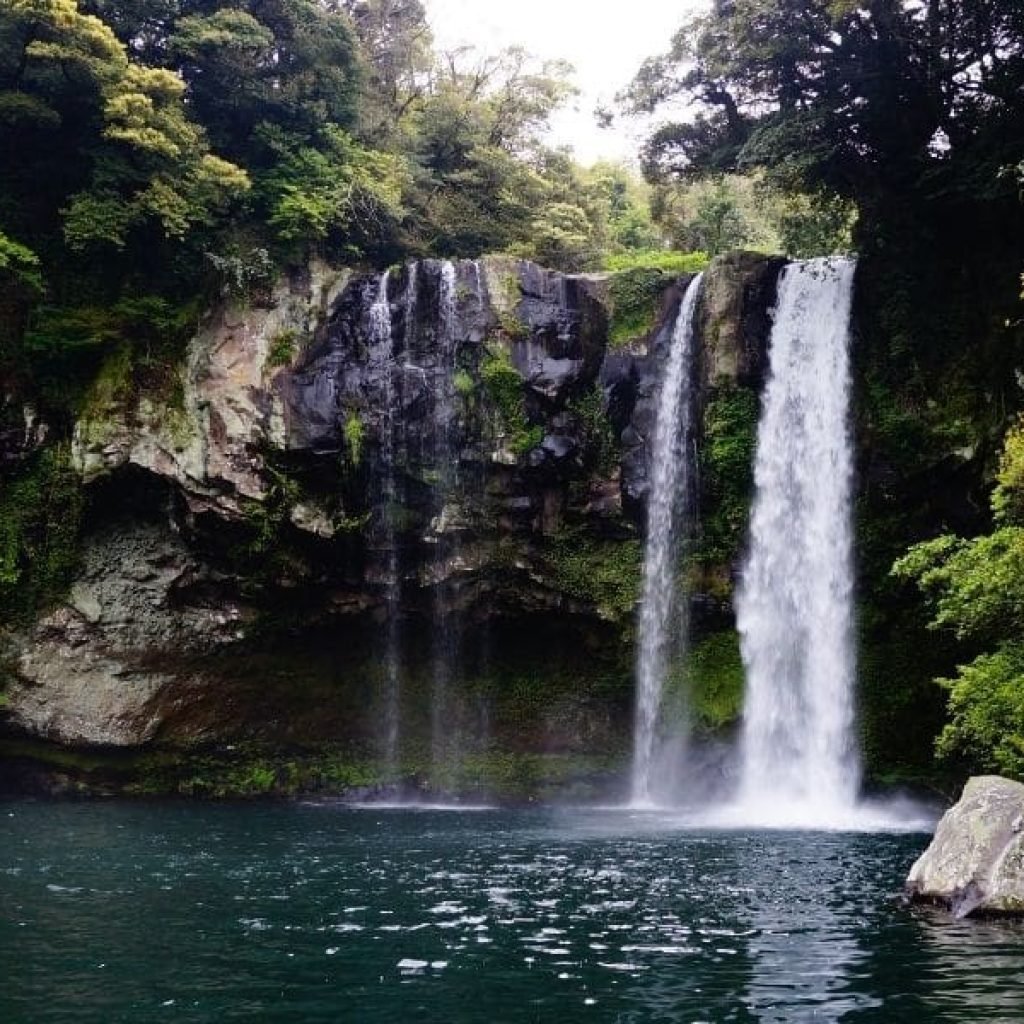
The monsoon magic
- Kerala turns vivid green. Waterfalls swell, rivers run full, forests feel alive. Myticketstoindia+3EaseMyTrip+3Indian Holiday+3
- Many travellers come specifically for Ayurveda & wellness treatments, because the climate is believed to enhance therapy absorption. EaseMyTrip+1
- Tourist numbers drop, so you’ll likely find peace, lower rates and fewer crowds.
Best picks & tradeoffs
- Best for wellness & introspection: Resorts and Ayurvedic centres often design packages during monsoon to help with detox, rest and recovery.
- Waterfall & nature lovers: Scenes are breathtaking; cascades at their fullest.
- Backwater cruises might be restricted (some houseboat services suspend operations during heavy rain).
- Outdoors & treks are riskier — landslides, muddy trails, intermittent heavy rains make some areas less accessible.
Precautions
- Always check weather forecasts and local alerts.
- Maintain flexibility: some days might be too wet for activities — have backup indoor or wellness plans.
- Carry rain gear, waterproof bags, insect repellent, and good grips for shoes.
Choosing the Best Time for Your Travel Style
| Your Preference / Goal | Best Season(s) | Why |
|---|---|---|
| All‑round sightseeing, beach, hills | October to February / early March | Best overall weather, most options open |
| Off‑peak travellers, lower cost | March to May (shoulder) | Still workable, fewer crowds, lower prices |
| Wellness / Ayurveda / monsoon mood | June to September | Ideal for therapies, lush landscapes |
| Hill / cooler highland escape | March to May, or winter | Avoid heat in plains; hills stay fresh |
Quick Month‑by‑Month Highlights
- October–November: Post‑monsoon balance — landscapes are refreshed, and rainfall has eased.
- December–February: Peak window with crisp air, festive energy, and full services.
- March–May: Pre‑monsoon warmup — good for hills and cost savings.
- June–August: High monsoon, dramatic scenery, healing focus (but some travel constraints).
- September: Transition period — monsoon recedes, nature is still green, and early winter sets in.
Final Tips & Inspiration for Kerala Travel
- Balance your itinerary so that indoor and outdoor options exist (especially during monsoon).
- Advance bookings matter most in the peak (October–February).
- Pack smart: Rain protection, good footwear, layers for hills, sun gear.
- Check local forecasts & alerts, especially in monsoon.
- Use the internal and external resources: You can find itinerary ideas, deep dives and regional tips at the Planet Earth Holidays Blog
0 Comment