



Travel in India has always been colorful and diverse, but the patterns we see in 2025 are unlike any before. With busy lifestyles, increased disposable income, and technology simplifying bookings, Indians are embracing impulse trips & experiences more than ever. A weekend in the hills, a last-minute flight to Goa, or a spontaneous trek in Himachal—travel is no longer planned months in advance; it is being lived in the moment. Let’s explore how this trend is reshaping tourism in India this year.
The Rise of Impulse Travel

Earlier, travel involved weeks of research, multiple phone calls, and carefully drawn-out itineraries. Today, thanks to mobile apps and AI-powered platforms, trips can be planned in a few clicks. Whether it’s a sudden long weekend, a friend’s invite, or just a craving for a quick escape, Indian travelers in 2025 are increasingly saying “yes” to spontaneous getaways.
Destinations near metro cities—like Lonavala from Mumbai, Coorg from Bangalore, or Munnar from Kochi—are seeing more last-minute bookings than ever before. Airlines and hotels are also adapting to this trend by offering dynamic deals to capture impulse travelers.
Experiences Over Itineraries

One of the biggest changes within this trend is the shift from checklist tourism to experience-based travel. Instead of covering ten attractions in three days, travelers are prioritizing meaningful moments. This could mean camping under the stars in Ladakh, enjoying a sunset kayak in Alleppey, or joining a cooking class in Jaipur.
Experiences are now the currency of travel. Social media amplifies this trend—Instagram stories and reels celebrate immersive adventures, inspiring others to follow suit.
Tech as the Enabler

Mobile-first booking platforms have revolutionized impulse travel. AI recommendations suggest nearby destinations, quick transport options, and even experiences suited to one’s mood. For example, a traveler in Delhi might receive a suggestion for a last-minute Rishikesh rafting trip, complete with hotel deals and transport packages.
Digital wallets, UPI payments, and instant confirmations make it possible to decide in the morning and travel by afternoon. This seamless connectivity has made spontaneous travel stress-free.
The Role of Work-Life Balance

With hybrid work models still prevalent, Indians are blending work with leisure. A Friday of remote work in the hills followed by a weekend of adventure is becoming a common trend. These workcations are often planned impulsively, as young professionals crave a quick change of scenery without waiting for long holiday approvals.
Domestic Impulse Hotspots
Some destinations are emerging as favorites for impulse trips in 2025:
- Goa: A perennial favorite for weekend getaways, with vibrant nightlife and beaches.
- Rishikesh: For spiritual retreats and adventure sports like rafting and bungee jumping.
- Munnar & Wayanad: Offering misty tea estates and cool escapes for South Indian travelers.
- Jaipur & Udaipur: Perfect for heritage experiences and quick luxury getaways.
- Coorg & Ooty: Hill stations that combine nature, coffee, and relaxation.
Sustainability in Spontaneity
Interestingly, the impulse travel trend is not compromising sustainability. More travelers are choosing eco-friendly stays, local homestays, and low-impact tours. A spontaneous trip to the mountains often includes supporting local cafes, artisans, and guides—adding a responsible angle to unplanned journeys.
Challenges of Impulse Travel

While exciting, this trend does have challenges. Last-minute bookings can sometimes be costly, especially during peak season. Limited availability in popular destinations can also mean travelers need to be flexible with options. However, with more apps providing real-time availability and deals, these hurdles are becoming easier to navigate.
The Future of Impulse Trips & Experiences
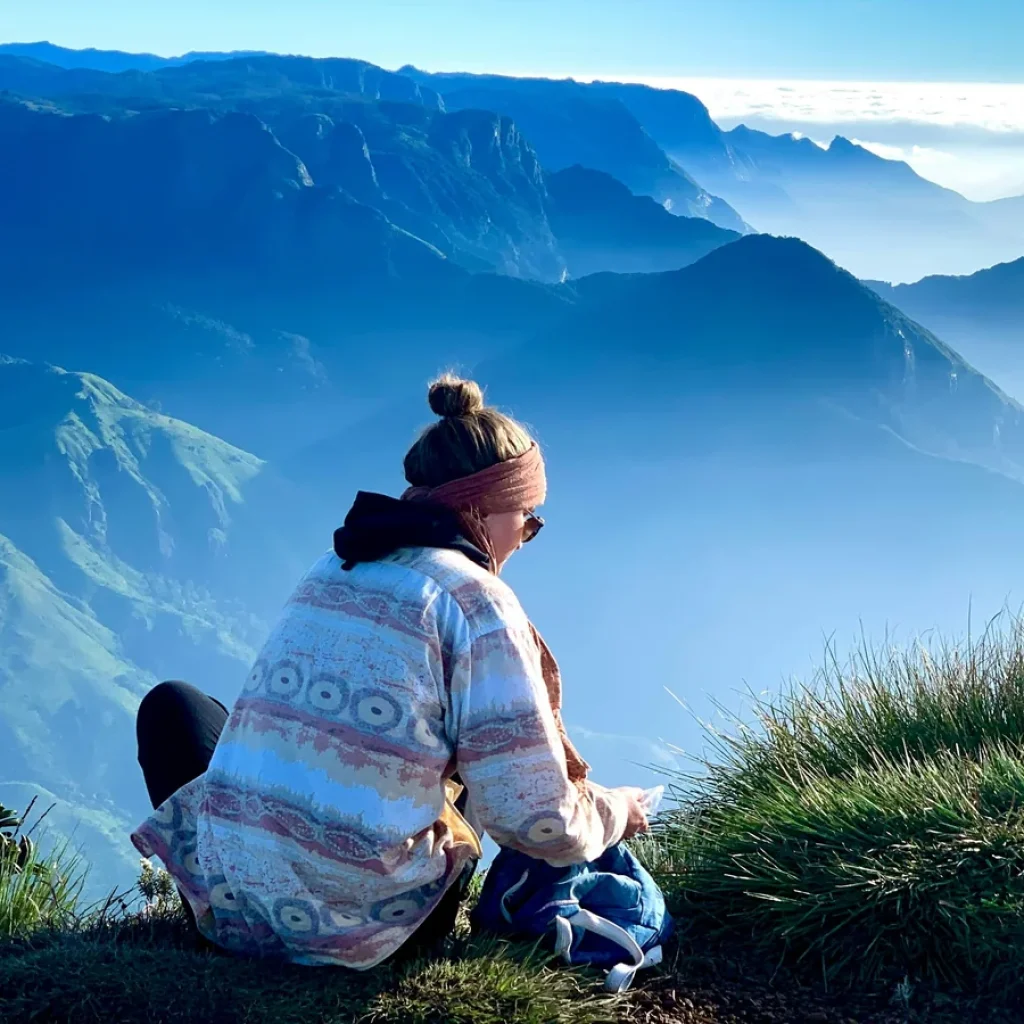
The popularity of impulse trips is expected to grow as Indian travelers continue to value flexibility, freedom, and unique experiences. This trend reflects a deeper lifestyle change: the desire to live in the moment. For the travel industry, it means adapting quickly—offering packages that are easy to book, flexible to cancel, and rich in experiences.
Conclusion
In 2025, impulse trips & experiences are no longer an exception—they are becoming a norm. Technology, changing lifestyles, and a thirst for authenticity are driving Indians to explore more spontaneously. From quick escapes to experiential stays, the future of travel in India is defined not by long-term plans but by the thrill of the moment.
For travelers, the message is simple: pack light, stay flexible, and let your next adventure find you—sometimes the best journeys are the ones you never planned.
Published on Planet Earth Holidays Blog
0 Comment