


Traveling is one of life’s greatest joys — but it doesn’t have to come with a high price tag. Whether you’re a student, solo traveler, or backpacker, here’s your go‑to guide for stretching every rupee, dirham, or dollar, without sacrificing experiences.
Before diving in, don’t forget to explore more travel inspiration at Planet Earth Holidays’ blog hub.
1. Flights — Nail the Big Savings Early
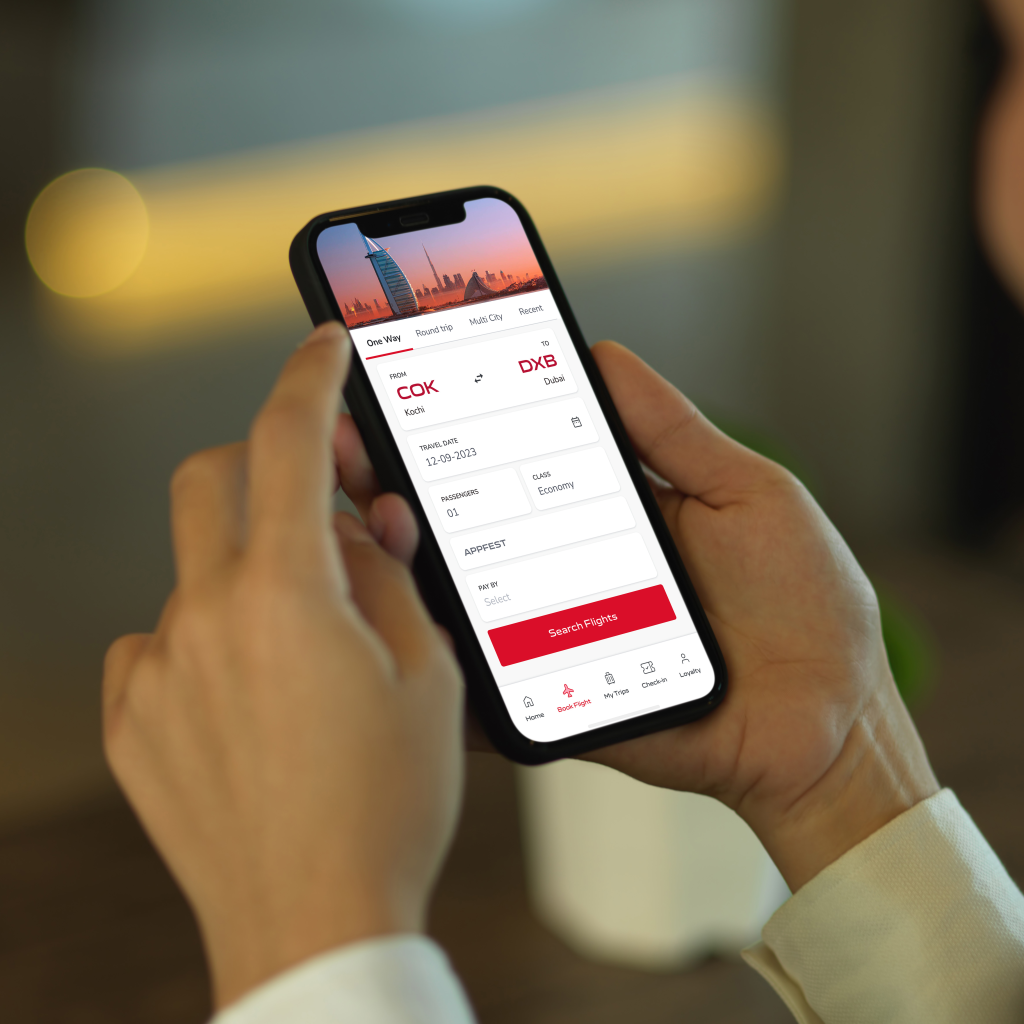
Be flexible with dates and destinations
Flying midweek (Tuesdays, Wednesdays) or during shoulder/low seasons often yields better fares. www.ndtv.com+2Medium+2
Also consider alternative airports near your target—they might be cheaper even after factoring in ground transport. coconutmuse.com+2travellersofindia.com+2
Use fare alerts & comparison tools
Set alerts on Google Flights, Skyscanner, Kayak, or Hopper. You’ll be notified when prices drop. Moneycontrol+2Medium+2
Always compare multiple sites and check the airline’s direct site too (sometimes there are hidden promos). The India Tourism.in+2travellersofindia.com+2
Don’t overpay for extras
Budget airlines are great, but they often tack on fees for baggage, seat selection, etc. Travel light and avoid unnecessary add-ons. www.ndtv.com+1
Use incognito/private browsing or clear cookies—some booking sites may inflate prices if they see repeated searches. www.ndtv.com+3Moneycontrol+3Medium+3
2. Accommodation — Sleep Smart, Not Expensive

Choose budget‑friendly options
Hostels, guesthouses, homestays, and budget hotels are your allies. Many offer private rooms at reasonable rates. Traveloka+2The Trip Shopper+2
If you’re adventurous, consider house‑sitting or volunteering in exchange for free or discounted lodging via platforms like TrustedHousesitters or Workaway. Traveloka
Book strategically
Avoid weekends and holiday peaks—rates surge then. hoianholidaybooking.com+1
Book directly with the property where possible (some hotels offer perks or discounts for direct bookings). hoianholidaybooking.com
Look for accommodations slightly outside city centers—transport might cost a little, but the savings on lodging often outweigh it. Traveloka
3. Food & Local Eats — Eat Like a Local

Street food & local markets
Skip upscale restaurants. In many countries, street food or local markets offer tasty meals at a fraction of the cost.
Look for “set meals” or lunch specials, which tend to be cheaper than dinner menus.
Self-catering & cooking
Stay in places with a kitchen or shared cooking space so you can cook your own meals — super useful when staying multiple nights in one spot.
Use food apps and promotions
In many places, apps like Too Good To Go, local daily deal apps, or food‑waste apps offer discounted meals close to closing time.
Also check local blogs or travel forums for cheap eats “off the beaten path.”
4. Activities & Sightseeing — Free & Low-Cost Fun

Free walking tours & local guides
Many cities offer free walking tours (tip-based). It’s a great way to see the city and learn local history without a set cost.
Use city tourism passes wisely
Some cities have passes that bundle multiple attractions (museum entry, transport) at a discount. Do the math—if you’ll use several of those attractions, they can pay off.
Explore nature & public spaces
Parks, trails, beaches, viewpoints are often free or very low cost.
Hiking, cycling, local markets, festivals — these experiences often cost little but are memorable.
Negotiate & bundle
In many countries, vendors or guides will offer a better price if you politely negotiate or bundle multiple services (e.g. transport + guided walks). Be courteous and respectful.
5. Additional Hacks & Money Savers

- Travel slow & stay longer in one place — reduces transport costs, lets you get local rates.
- Use public transport & walk — skip taxis where possible.
- Carry a refillable water bottle and filter — fewer bottled water purchases.
- Use travel credit cards and loyalty programmes — redeem points, get perks.
- Track your budget daily — use an app or notebook to see where your money is going.
- Travel insurance — an inexpensive insurance plan can save you from disastrous medical or baggage costs.
With these practical strategies, you can travel farther and longer on a lean budget—without constantly stressing about your wallet. If you’d like a printable budget‑travel planning worksheet, or destination‑specific tips (say India, Southeast Asia, Europe), I’d be happy to help next.
0 Comment