



The way we Travel is changing faster than ever. By 2026, travel is no longer just about reaching a destination—it’s about how intelligently, responsibly, and seamlessly the journey unfolds. Technology, sustainability, and personalization are reshaping global tourism, and travellers are embracing smarter, smoother, and more meaningful experiences.
From AI-powered trip planning to eco-friendly resorts and biometric check-ins at airports, 2026 marks a turning point in how the world explores. Let’s take a closer look at the biggest travel shifts shaping the future.
1. AI-Powered Travel Planning Becomes the Norm
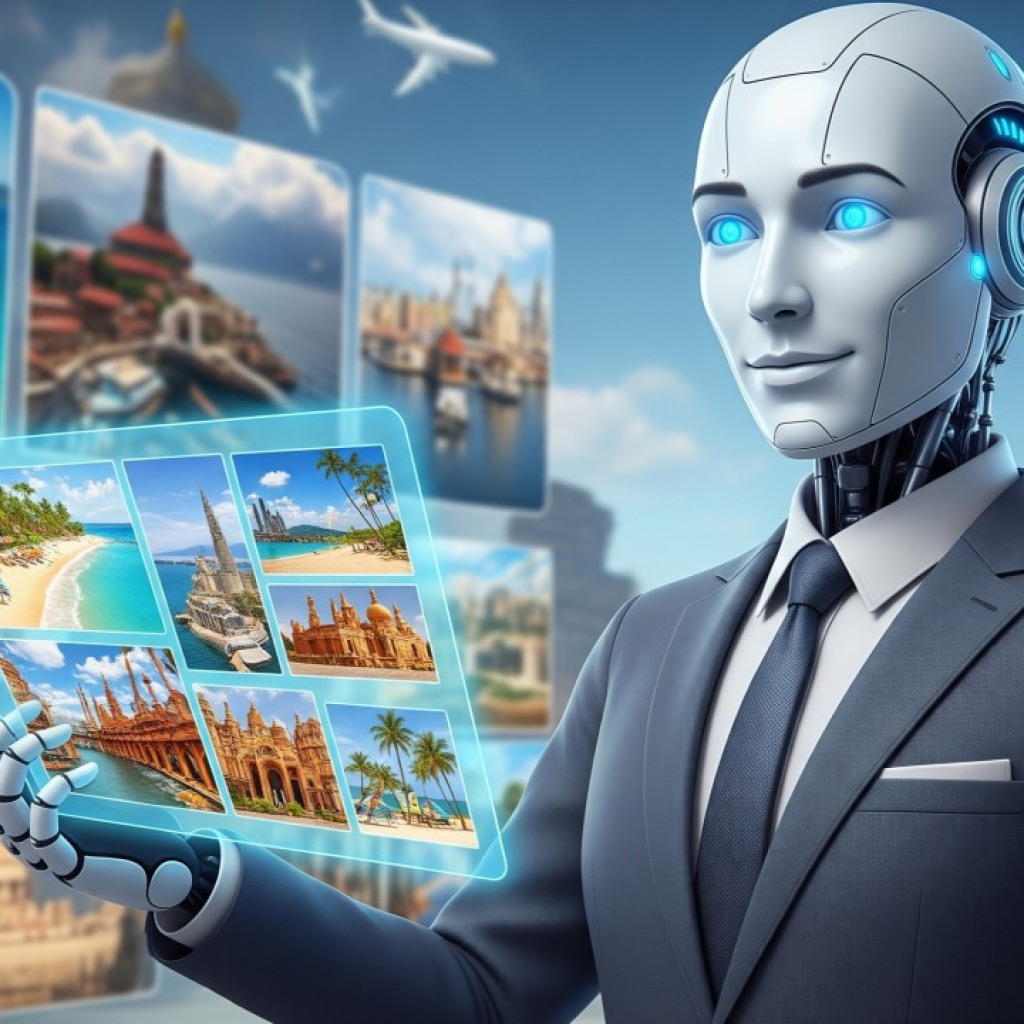
In 2026, artificial intelligence has become every traveller’s silent assistant. Instead of juggling multiple apps, tabs, and reviews, travellers now rely on AI to plan entire trips—flights, hotels, sightseeing, and even restaurant reservations.
AI tools analyze travel history, budgets, preferred destinations, and travel styles to create fully personalized itineraries. Planning a honeymoon, family vacation, or solo escape takes minutes, not days. AI also adjusts plans in real time, offering alternatives during weather changes, delays, or last-minute cancellations.
For travellers, this means fewer surprises and more confidence. For travel experts like Planet Earth Holidays, it means blending smart technology with human expertise to deliver curated, stress-free journeys. Learn more about how expert planning enhances modern travel experiences on the Travel blog at https://planetearthholidays.com/blog/.
2. Smart Airports and Biometric Check-Ins
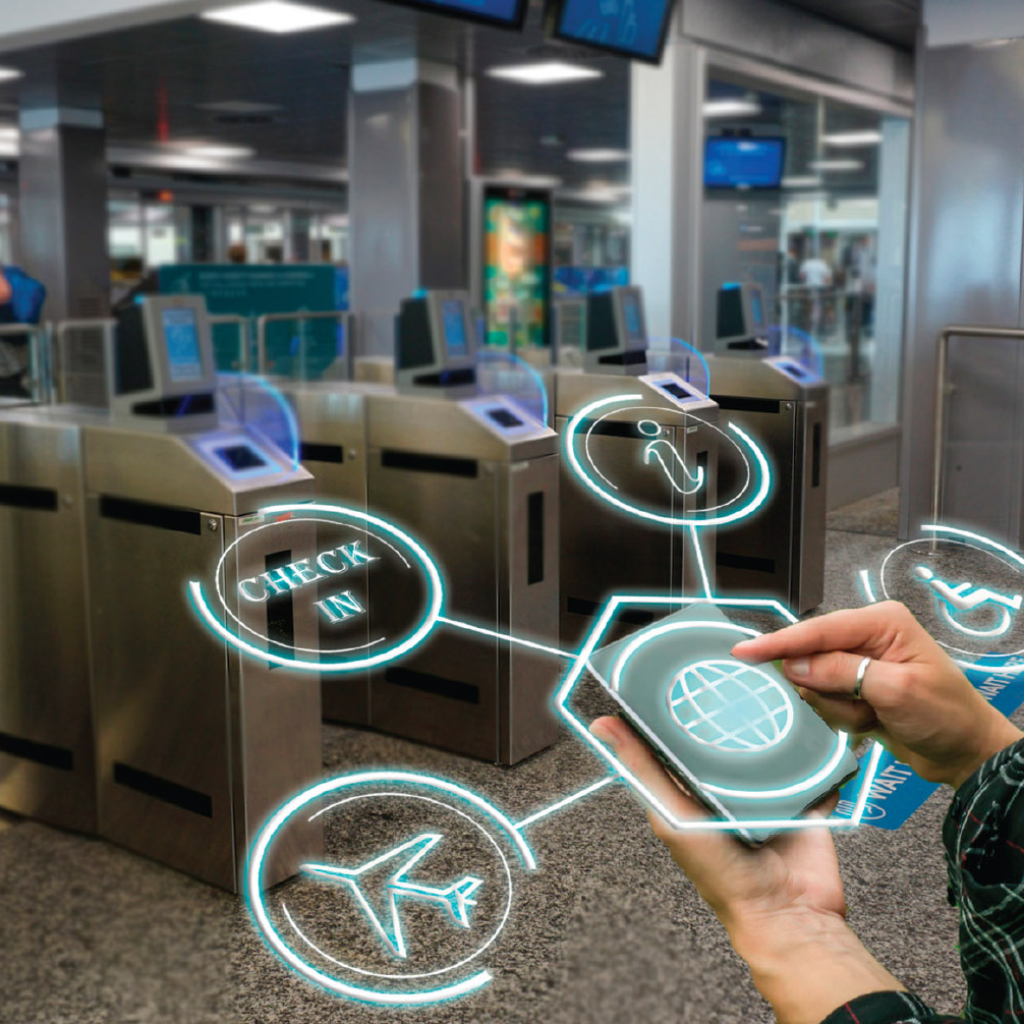
Airports in 2026 are faster, quieter, and far more efficient. Biometric technology—facial recognition and digital identity verification—has replaced long queues and manual document checks.
Travellers can now:
- Check in using facial scans
- Pass security without boarding passes
- Board flights with touchless verification
These smart airport systems significantly reduce waiting times while improving security. For frequent flyers and international travellers, this means smoother connections and less travel fatigue. According to global aviation reports, biometric-enabled airports are becoming standard across major international hubs, improving both safety and passenger experience.
3. Faster, Fully Contactless Travel
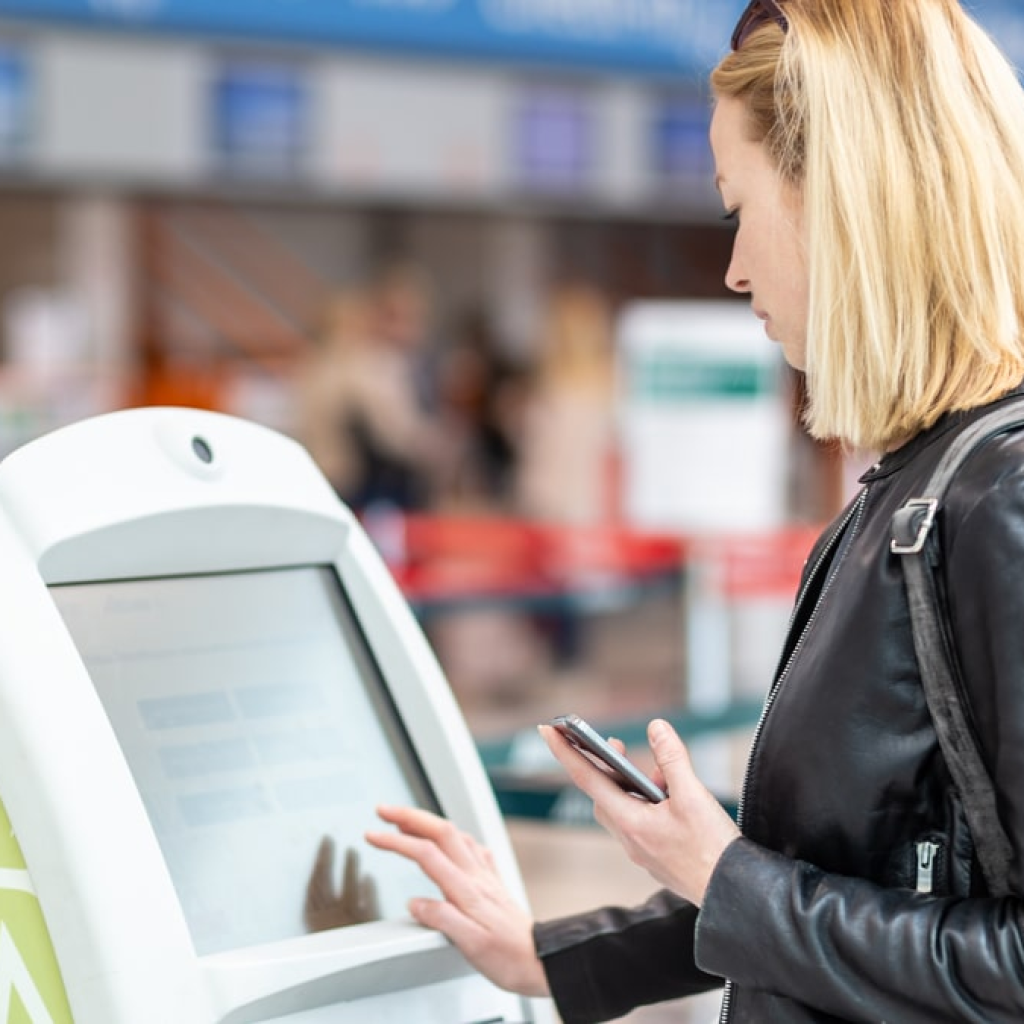
The demand for contactless travel that began earlier in the decade has fully matured by 2026. Hotels, transport providers, and tourist attractions now prioritize digital-first experiences.
Key highlights include:
- Mobile room keys at hotels
- QR-code menus and payments
- App-based guided tours
- Touch-free check-ins and check-outs
This shift doesn’t remove human interaction—it enhances it. Staff now focus more on service quality rather than paperwork. Travellers enjoy quicker access, fewer delays, and greater convenience throughout their journeys.
4. Sustainable Travel Is No Longer Optional

Sustainability is no longer a trend—it’s an expectation. In 2026, travellers actively choose destinations, hotels, and tour operators that prioritize eco-conscious practices.
Eco-friendly resorts now focus on:
- Renewable energy and water conservation
- Plastic-free operations
- Locally sourced food
- Community-based tourism
Travellers are more informed and responsible, preferring stays that support local economies and protect natural ecosystems. According to a global sustainable tourism report by the World Tourism Organization, eco-conscious travel choices have increased year-on-year, influencing how destinations develop and market themselves.
This shift has made destinations like Kerala, Costa Rica, Bhutan, and parts of Europe leaders in sustainable tourism, offering meaningful experiences without compromising nature.
5. Immersive Experiences Over Sightseeing
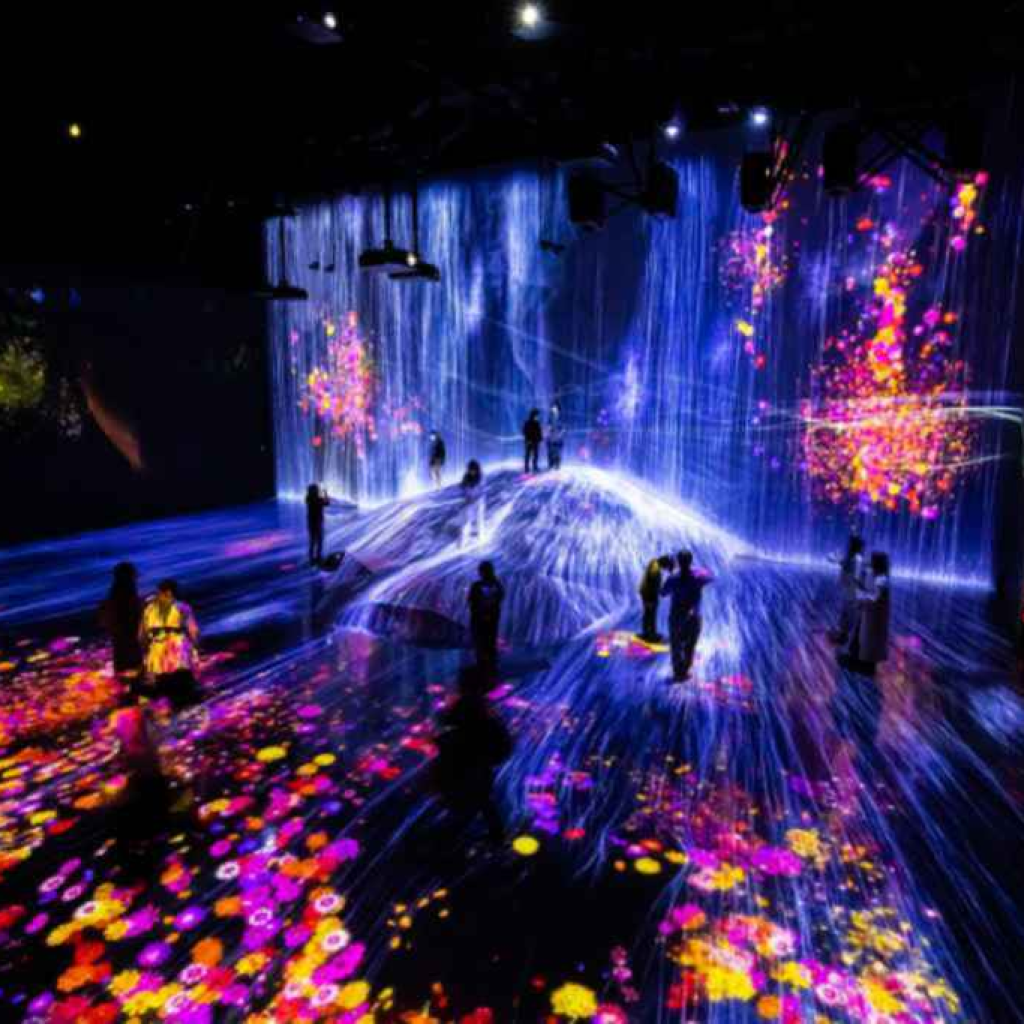
In 2026, travellers want to feel a destination, not just photograph it. Immersive travel experiences are replacing rushed sightseeing schedules.
Popular immersive trends include:
- Cultural workshops and cooking classes
- Farm stays and village experiences
- Wellness retreats and digital detox holidays
- Local festivals and slow travel itineraries
Travellers prefer fewer destinations with deeper engagement—spending more time understanding local culture, cuisine, and traditions. This shift aligns perfectly with slow travel, which emphasizes quality over quantity.
6. Personalization Defines Modern Travel

Mass tourism is fading. Personalized travel is the future.
Whether it’s choosing room views, dietary preferences, flexible itineraries, or private transfers, travellers in 2026 expect journeys tailored specifically to them. AI helps, but human travel designers add emotional intelligence—understanding celebrations, special occasions, and personal preferences.
This blend of technology and expertise ensures every trip feels unique, meaningful, and memorable.
The Future of Travel Is Smarter and More Meaningful

Travel in 2026 is faster, greener, and deeply personalized. Technology removes friction, sustainability adds purpose, and immersive experiences create lasting memories.
For travellers, this means better journeys. For travel planners, it’s about combining innovation with trust and experience. As the world continues to evolve, one thing remains constant—the desire to explore, connect, and experience the world in richer ways.
To stay updated on future-ready travel ideas, expert planning insights, and curated holiday experiences, explore the latest Travel stories at https://planetearthholidays.com/blog/ and keep discovering where the world is heading next. 🌍✈️
0 Comment