

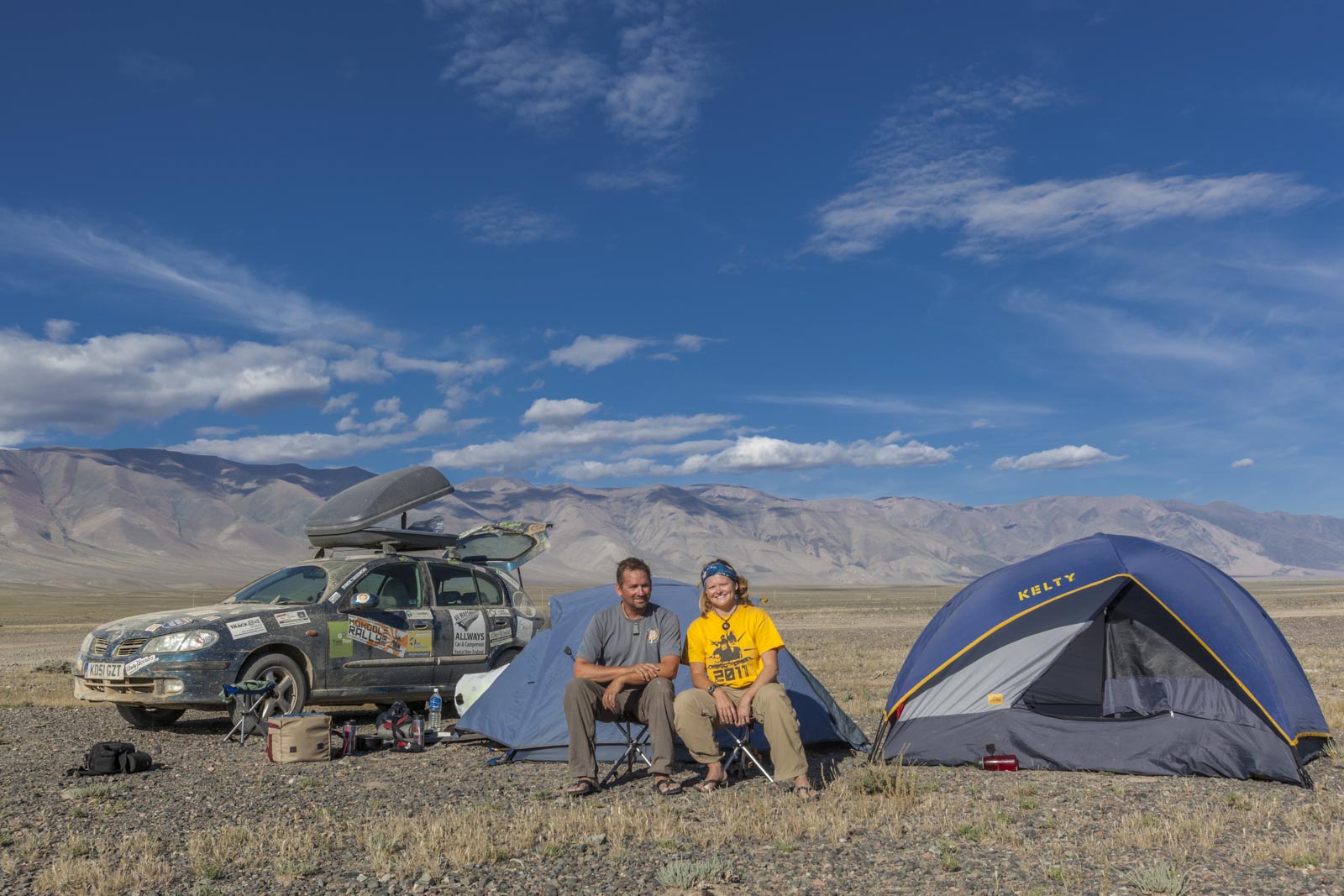

For some travelers, luxury means five-star hotels and business-class flights. For others, luxury is freedom—and nothing delivers freedom quite like traveling on a tight budget. The Budget Is the Adventure is about ultra-creative low-budget travel, where limitations spark ingenuity and every dollar saved opens the door to deeper, more authentic experiences.
This isn’t about deprivation. It’s about discovery.
Why Traveling on Less Gives You More

When money is abundant, it’s easy to insulate yourself from real life. Taxis replace walks. Restaurants replace conversations. Convenience replaces curiosity.
Budget travel flips that script.
With a $20-a-day mindset, travelers naturally:
- Walk more and notice more
- Eat where locals eat
- Ask questions instead of buying solutions
- Engage with communities instead of staying apart from them
Paradoxically, spending less often leads to richer travel stories.
The $20-a-Day Challenge
The $20-a-day challenge isn’t about suffering—it’s about intentional choices. It forces travelers to rethink priorities and get creative with daily expenses like food, transport, and accommodation.
Common strategies include:
- Staying in hostels, guesthouses, or homestays
- Cooking meals or eating street food
- Using public transportation or walking
- Choosing free attractions and experiences
In many parts of Southeast Asia, Eastern Europe, Latin America, and South Asia, $20 a day is not only possible—it’s comfortable when approached thoughtfully.
Travel Hacks That Actually Work

Ultra-low-budget travel thrives on smart hacks, not shortcuts.
Some of the most effective budget travel hacks include:
- Traveling overnight by bus or train to save on accommodation
- Booking longer stays for weekly or monthly discounts
- Using local SIM cards instead of international roaming
- Shopping at local markets rather than tourist supermarkets
Another powerful hack? Flexibility. Being open to slower routes, shared transport, or off-season travel can cut costs dramatically while improving the experience.
Budget travelers also benefit from understanding the economics of travel. This guide on budget travel offers insight into how travelers stretch money across regions and cultures: https://en.wikipedia.org/wiki/Budget_travel
Living Like a Local Instead of Visiting Like a Tourist

Low-budget travel naturally pushes you toward local living.
Instead of curated experiences, you participate in everyday life:
- Morning markets instead of hotel breakfasts
- Neighborhood cafés instead of international chains
- Community events instead of ticketed attractions
You learn what things cost, how people commute, and where they unwind after work. These insights don’t come from tours—they come from time, observation, and humility.
Local living also builds cultural respect. When you travel on a budget, you’re less likely to demand comfort and more likely to adapt. That mindset creates better interactions and more meaningful connections.
The Emotional Rewards of Budget Travel
Traveling with limited funds changes how you see the world—and yourself.
Budget travelers often report:
- Increased confidence and problem-solving skills
- Stronger social connections with fellow travelers and locals
- A deeper appreciation for simplicity
- Less pressure to “perform” travel for social media
When money isn’t the focus, moments become the currency.
Planning Budget Travel Without Sacrificing Quality
Low-budget doesn’t mean low-quality. It means high intention.
Smart planning can help balance affordability and comfort. Some travelers combine independent budget travel with carefully selected experiences designed to maximize value. Travel planners like Planet Earth Holidays help travelers discover cost-effective ways to experience destinations deeply—without falling into tourist traps or unnecessary expenses. You can explore travel ideas and value-focused itineraries here: https://planetearthholidays.com/
Why the Budget Is the Adventure
When your budget is limited, every decision matters. Every meal, every ride, every overnight stay becomes part of the story.
The budget isn’t a restriction—it’s a compass. It points you toward creativity, connection, and curiosity.
Because when you strip travel down to its essentials, you don’t just see more of the world—you learn how little you actually need to experience it fully.
0 Comment