


Artificial Intelligence (AI) is no longer a distant concept of sci-fi movies — it’s now an integral part of everyday life. From enhancing productivity at work to reimagining creative expression and revolutionizing the way we communicate, AI’s footprint is expanding rapidly. In this blog, we’ll explore how AI is transforming daily routines and reshaping our future.
1. AI at Work: Smarter, Faster, More Efficient
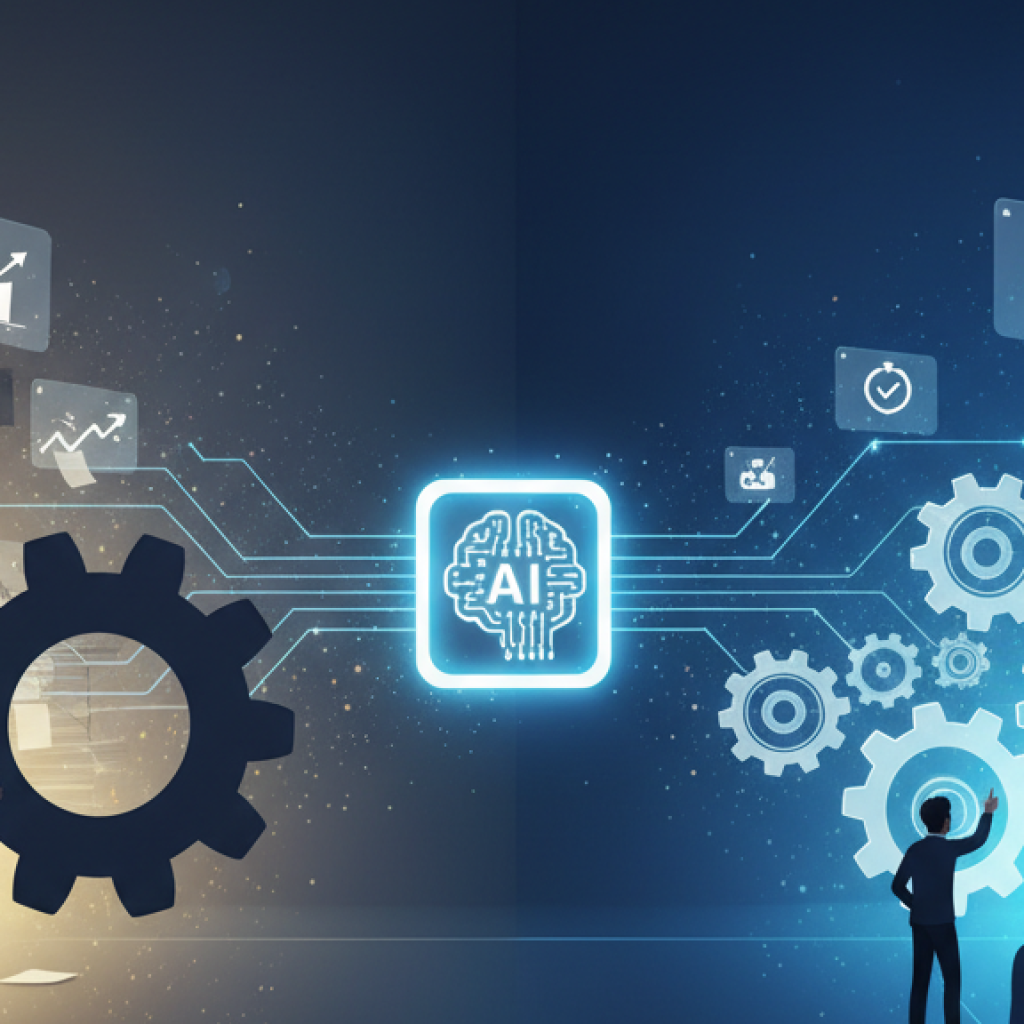
One of the most visible impacts of AI is in the workplace. AI technologies like machine learning, natural language processing, and robotic process automation are automating repetitive tasks, analyzing data at scale, and improving decision-making.
For example:
- Automation of Routine Tasks: Tools powered by AI can automate data entry, scheduling, and even email responses, freeing human employees to focus on strategic work.
- Enhanced Analytics: AI systems can process vast amounts of data in seconds, providing insights that would take humans hours or days to uncover.
- Improved Customer Service: Chatbots and virtual assistants are helping businesses respond to customer queries 24/7 with speed and accuracy.
According to a report from McKinsey Global Institute, AI has the potential to automate about 30% of tasks in over 60% of occupations, reshaping job responsibilities and creating new opportunities in the process.
👉 Learn more about transformative innovations like AI on the Planet Earth Holidays blog: https://planetearthholidays.com/
While there are concerns about job displacement, the reality is more nuanced — AI isn’t just taking over jobs, it’s augmenting human capabilities. Employees who adopt AI tools can become more productive and valuable in the workplace.
2. Creativity in the Age of AI
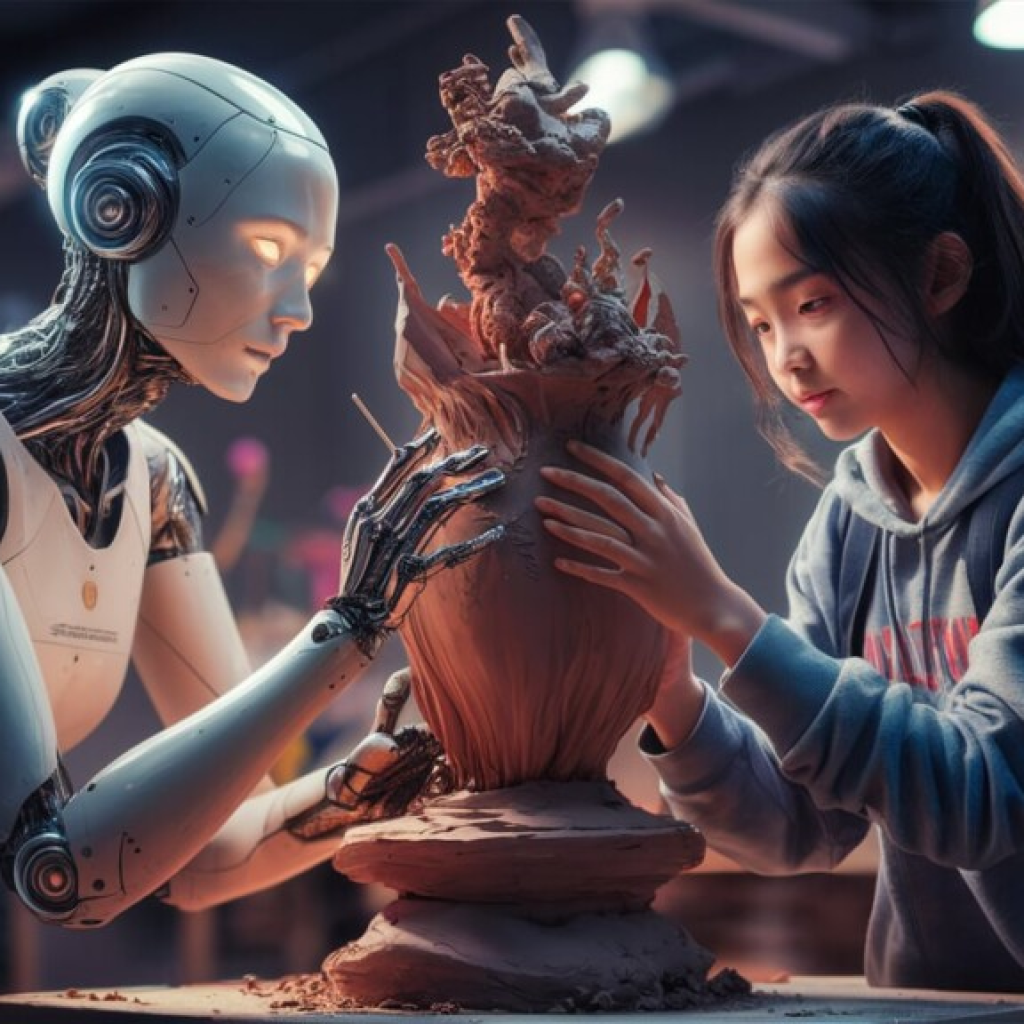
Creativity might seem like a purely human domain, but AI is proving to be a powerful collaborator.
AI can now:
- Generate Music: Algorithms like OpenAI’s Jukebox can compose original music in different genres.
- Create Visual Art: Tools such as DALL-E and Midjourney can generate images based on text prompts.
- Write Stories and Content: AI writers help creators draft articles, captions, and even screenplays.
Some artists worry that AI may dilute originality, but many creatives are using AI as a tool — similar to how photographers use editing software. Instead of replacing human imagination, AI expands the creative toolkit.
For example, musicians might use AI to experiment with new melodies, while writers can use AI suggestions to overcome writer’s block. The result? A blend of human intuition and algorithmic power that pushes creative boundaries.
3. Communication: Faster and More Personalized

AI is also transforming how we communicate — with each other, with businesses, and with technology.
Here’s how:
- Smart Assistants: Voice-activated assistants like Siri and Google Assistant understand natural language and help with tasks like setting reminders or searching the web.
- Real-Time Translation: Applications can now translate speech and text instantly, breaking down language barriers across the globe. (For example, Google Translate offers real-time conversation translation.)
- Personalized Experiences: Social media platforms use AI to tailor content, recommendations, and advertisements based on user behavior.
This high level of personalization makes our digital experiences more relevant but also raises important questions about privacy and data use. Responsible AI practices and transparent data policies are essential as these systems become more intertwined with daily communication.
4. AI Beyond Work and Creativity: Everyday Life Enhancements
AI isn’t just enhancing work and creativity — it’s making daily life easier in countless ways:
- Smart Travel Planning: AI-driven apps can analyze preferences and suggest optimal itineraries, local attractions, and personalized recommendations. Whether you’re planning an adventure or a relaxing getaway, AI tools help you make more informed choices.
- Healthcare Support: From wearable devices that monitor vital signs to diagnostic tools that assist doctors, AI is improving healthcare outcomes.
- Home Automation: Smart home systems learn user behavior to adjust lighting, temperature, and energy usage for comfort and efficiency.
For travelers and explorers, this means AI can handle everything from flight alerts to hotel recommendations, making journeys smoother and more enjoyable. Discover how modern travel trends — including tech-enhanced trips — are shaping experiences on the Planet Earth Holidays blog: https://planetearthholidays.com/
5. The Upside and the Challenges

AI brings undeniable benefits, but it also comes with challenges:
- Job Transition: Workers need to upskill to stay relevant in changing industries.
- Ethical Considerations: Bias in AI systems and data privacy concerns must be addressed.
- Human Connection: Over-reliance on technology may affect deep, meaningful interactions.
Institutions, tech developers, and governments are increasingly focused on responsible AI — systems designed to benefit society without compromising safety, privacy, or fairness. For a deeper dive into the latest discussions on AI ethics, see this comprehensive article on MIT Technology Review: https://www.technologyreview.com/2023/01/10/1066401/what-ai-ethics-really-means/
Conclusion
AI is no longer an abstract future — it’s here and shaping our lives across work, creativity, and communication. While it offers powerful tools that improve efficiency and open new creative frontiers, it also presents challenges that require thoughtful conversation and responsible innovation.
As AI continues to evolve, the key will be to harness its benefits while staying grounded in human values — creativity, empathy, and connection.
0 Comment