



The Middle East remains one of the most fascinating travel regions in the world, offering rich history, iconic landmarks, vibrant cultures, and luxurious tourism experiences. Destinations like Dubai, Abu Dhabi, Jordan, and Egypt continue to attract millions of travelers each year. However, recent geopolitical tensions in 2026 have led many countries to issue updated travel advisories and safety guidelines for visitors planning trips to the region.
If you are considering traveling to the Middle East, it is important to stay informed about safety measures, travel insurance, and recommended routes before your journey. Here’s what travelers should know before planning their visit.
Understanding the Latest Travel Advisories
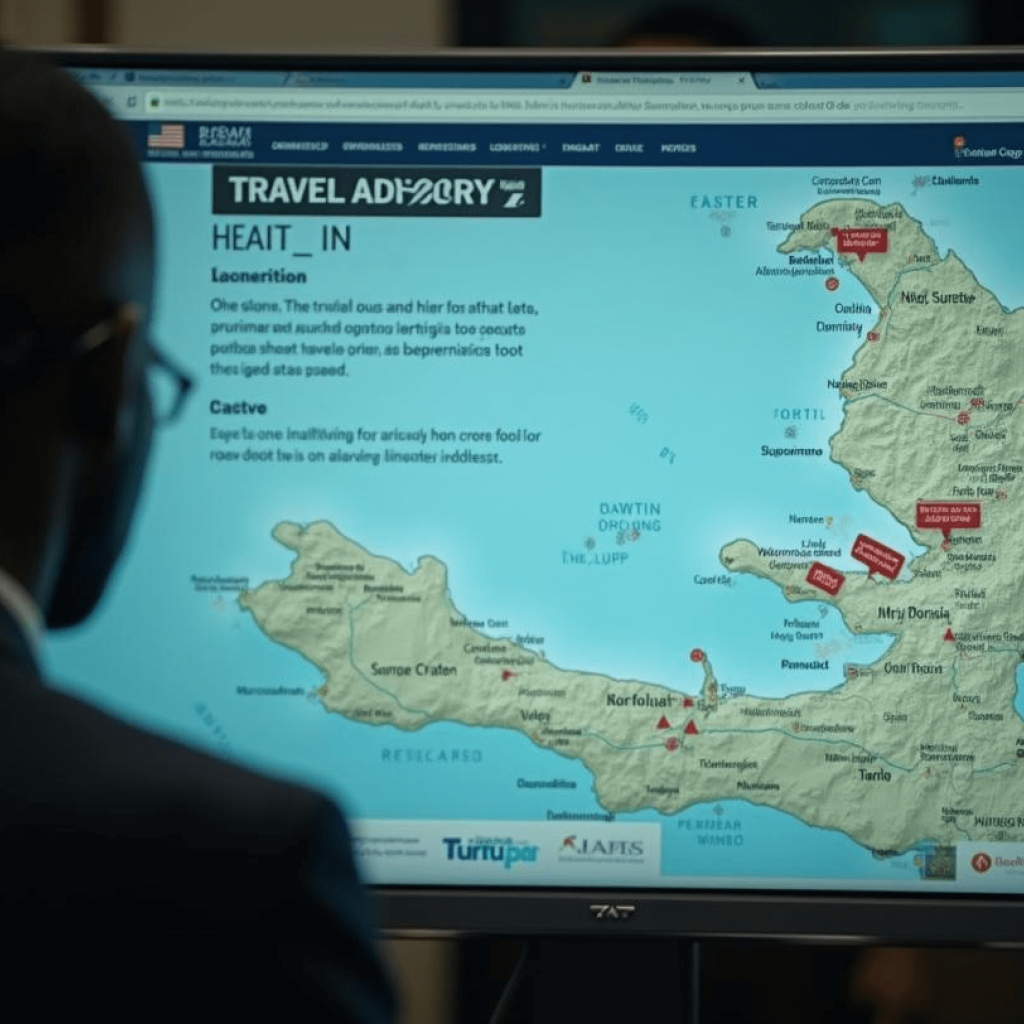
Travel advisories help travelers understand safety conditions in a destination. In early 2026, several governments updated their travel warnings for parts of the Middle East due to regional conflicts and security concerns.
Countries such as Iran, Iraq, Lebanon, Syria, and Yemen are currently under the highest travel advisory levels in many countries, meaning travelers are strongly advised not to visit these areas due to ongoing conflicts and security risks.
Other countries including the United Arab Emirates, Qatar, Bahrain, Jordan, and Kuwait have received advisories recommending travelers reconsider non-essential travel because of regional tensions and possible airspace disruptions.
In addition, flight disruptions have affected several international routes due to airspace closures across parts of the region, leading to cancellations and longer travel routes between Europe and Asia.
Travelers planning trips should regularly check official government travel advisory websites for the most updated safety information before departure.
For the latest global travel safety updates and tourism news, you can also explore https://www.travelandtourworld.com/ which regularly publishes international travel advisories and updates.
Safe Destinations That Remain Open to Travelers

Despite regional tensions, not all Middle Eastern destinations are unsafe. Some countries remain relatively stable and continue welcoming tourists with enhanced security measures.
For example, Egypt is currently considered one of the safer destinations in the region, with travel advisories recommending travelers exercise increased caution rather than avoid travel completely. Tourist destinations such as Cairo, Hurghada, and Sharm El-Sheikh continue operating normally and receiving international visitors.
Similarly, countries like Turkey and Oman have remained largely unaffected by the recent escalation and continue to attract tourists interested in historical sites, cultural experiences, and coastal resorts.
However, travelers should still stay informed about local conditions and follow all safety recommendations provided by authorities.
The Importance of Travel Insurance
Travel insurance has become more important than ever when traveling to regions experiencing political uncertainty. A comprehensive travel insurance policy can protect travelers from unexpected issues such as:
- Trip cancellations
- Medical emergencies
- Flight disruptions
- Lost baggage
- Emergency evacuation
However, travelers should carefully review policy details because some insurance plans do not cover incidents related to war or geopolitical conflict. This means travelers should purchase policies that specifically include coverage for trip disruptions or political instability.
In addition, travelers should keep digital and printed copies of their insurance documents, emergency contacts, and embassy details during their trip.
Choosing Safe Routes and Flights

One of the most significant impacts of regional tensions is airspace restrictions and flight rerouting. Several countries in the Middle East have temporarily closed or restricted their airspace, affecting international travel routes.
Airspace closures have been reported in countries such as Iran, Iraq, Qatar, Bahrain, and Kuwait, forcing airlines to reroute flights through alternative corridors.
As a result, travelers may experience:
- Longer flight times
- Additional stopovers
- Schedule changes or cancellations
To avoid travel disruptions, travelers should:
- Book flights with flexible change policies
- Monitor airline updates regularly
- Choose direct flights where possible
- Avoid transit routes through high-risk regions
Working with experienced travel agencies can also help travelers identify safer travel routes and reliable airline options.
Safety Tips for Travelers Visiting the Middle East
If you are planning to travel to the Middle East in 2026, consider following these important safety guidelines:
Stay updated with local news and travel advisories
Monitor official government travel advisories before and during your trip.
Register with your embassy
Registering your trip with your country’s embassy allows authorities to contact you during emergencies.
Avoid large crowds or protests
Political demonstrations or crowded areas may pose additional safety risks.
Keep emergency contacts handy
Always keep contact details for local authorities, your embassy, and travel insurance provider.
Follow local laws and cultural customs
Respecting local traditions and regulations helps ensure a safe and smooth travel experience.
Final Thoughts
The Middle East remains an extraordinary destination filled with historical wonders, luxury experiences, and cultural diversity. However, current geopolitical tensions mean travelers must plan carefully and stay informed before visiting the region.
Key safety considerations include:
- Checking updated travel advisories
- Purchasing comprehensive travel insurance
- Choosing safe flight routes
- Monitoring local conditions during your trip
With proper preparation and reliable information, travelers can still explore parts of the Middle East safely.
If you are planning a trip to the region and need expert guidance on safe travel routes, visa assistance, and customized travel packages, visit https://planetearthholidays.com/ to explore professionally curated travel services.
By staying informed and prepared, travelers can continue to experience the incredible beauty and culture that the Middle East has to offer while prioritizing safety and peace of mind.
0 Comment