



Travel is no longer just about ticking destinations off a bucket list—it’s about meaning, emotion, and experience. As global travel evolves in 2026, a new wave of trends is shaping how people explore the world. Among the most fascinating are whycations and noctourism—concepts that are transforming travel into something more intentional, immersive, and deeply personal.
At Planet Earth Holidays, we believe travel should go beyond sightseeing. It should tell a story, create purpose, and leave a lasting impact. Let’s explore how these emerging trends are reshaping modern tourism.
What Is a Whycation?

The term whycation is quickly becoming one of the most talked-about travel trends worldwide. Unlike traditional vacations that focus on where you go, whycations focus on why you go.
According to recent travel insights, modern travelers are increasingly choosing trips based on emotional and personal motivations—whether it’s to reconnect with family, recharge mentally, or experience a new culture more deeply (Stories From Hilton).
A whycation might involve:
- Learning a new skill like cooking or pottery
- Volunteering in conservation projects
- Exploring cultural roots or heritage
- Prioritizing mental wellness and self-discovery
This shift reflects a deeper desire for meaningful travel. Instead of passive tourism, people now seek transformative experiences that enrich their lives.
Why Whycations Are Trending

The rise of whycations isn’t accidental—it’s a response to how people’s priorities have changed. Travelers today are asking deeper questions: What do I want from this journey? How will it change me?
Studies show that a majority of travelers now prefer experiences that bring them closer to local culture and personal growth (Stories From Hilton). This trend is part of a broader movement toward “intentional travel,” where purpose takes center stage.
Key drivers behind whycations include:
- A growing focus on mental health and wellness
- The desire for authentic cultural immersion
- A shift from luxury to meaningful experiences
- Post-pandemic reflection on life priorities
In simple terms, travel is no longer about escape—it’s about connection.
Noctourism: Discovering the World After Dark

Another fascinating trend gaining momentum is noctourism. As the name suggests, it involves exploring destinations at night rather than during the day.
From stargazing in remote landscapes to wandering through vibrant night markets, noctourism offers a completely different perspective of a place. In fact, it was even named a major travel trend in India, with a strong interest in night-based experiences like safaris and celestial tourism (www.ndtv.com).
Popular noctourism experiences include:
- Stargazing in dark-sky reserves
- Night safaris and wildlife spotting
- Exploring illuminated cities and monuments
- Late-night cultural festivals and food markets
Noctourism isn’t just about avoiding crowds—it’s about discovering a quieter, more reflective side of travel.
The Connection Between Whycations and Noctourism
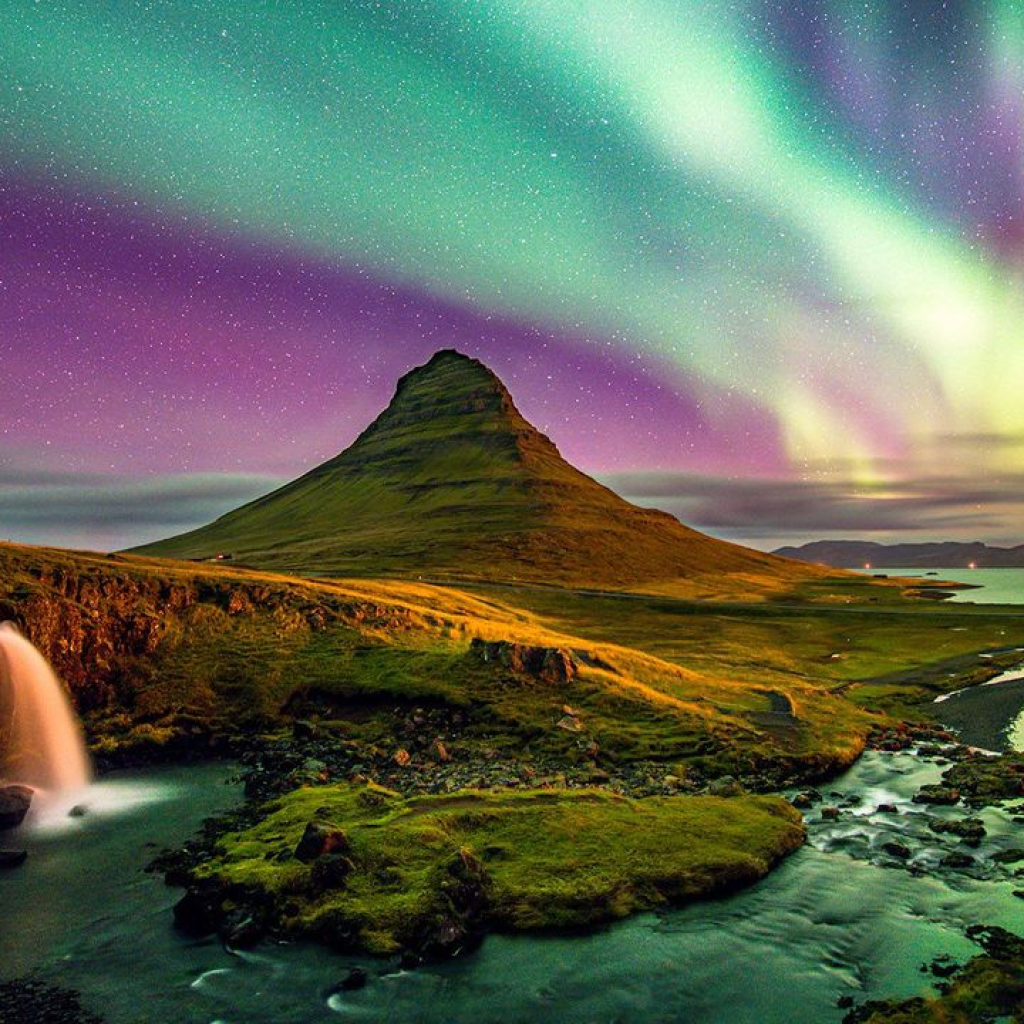
At first glance, whycations and noctourism may seem like separate trends. But they are deeply connected by a shared idea: intentional experiences.
Noctourism often enhances whycations by creating moments of reflection and wonder. Imagine:
- A solo trip focused on self-discovery under a sky full of stars
- A cultural journey that includes night rituals or traditions
- A wellness retreat that embraces silence and stillness after dark
Both trends prioritize depth over distraction. They encourage travelers to slow down, engage more deeply, and find meaning in every moment.
The Rise of Experience-Led Travel

Beyond whycations and noctourism, the broader travel landscape is shifting toward experience-led journeys. Travelers are no longer satisfied with simply visiting landmarks—they want to feel, learn, and connect.
Reports indicate that modern tourists increasingly value authenticity, emotional well-being, and local engagement over traditional sightseeing (idealista.com). This includes:
- Participating in local traditions
- Exploring lesser-known destinations
- Traveling sustainably and responsibly
- Choosing quality experiences over quantity
This trend is especially relevant for destinations that offer rich cultural heritage and natural beauty—making countries like India a perfect fit for this new era of travel.
How to Plan Your Own Whycation
If you’re inspired to embrace this new way of traveling, here are a few simple steps to plan your own whycation:
- Define your purpose – Are you looking to relax, learn, reconnect, or explore?
- Choose the right destination – Pick a place that aligns with your intention.
- Focus on experiences – Prioritize activities that add value and meaning.
- Slow down – Avoid overpacking your itinerary. Give yourself time to reflect.
- Stay open-minded – The best travel moments are often unplanned.
Whether it’s a wellness retreat in the mountains or a cultural immersion in a historic town, your journey should reflect your personal “why.”
Final Thoughts
Travel in 2026 is no longer about distance—it’s about depth. Trends like whycations and noctourism highlight a powerful shift toward meaningful, purpose-driven exploration.
As travelers seek more than just vacations, the industry is evolving to meet these new expectations. The future belongs to journeys that inspire, transform, and connect us—not just to places, but to ourselves.
Ready to plan your next meaningful escape? Explore curated experiences and travel inspiration on Planet Earth Holidays Blog and start your journey with purpose.
0 Comment