

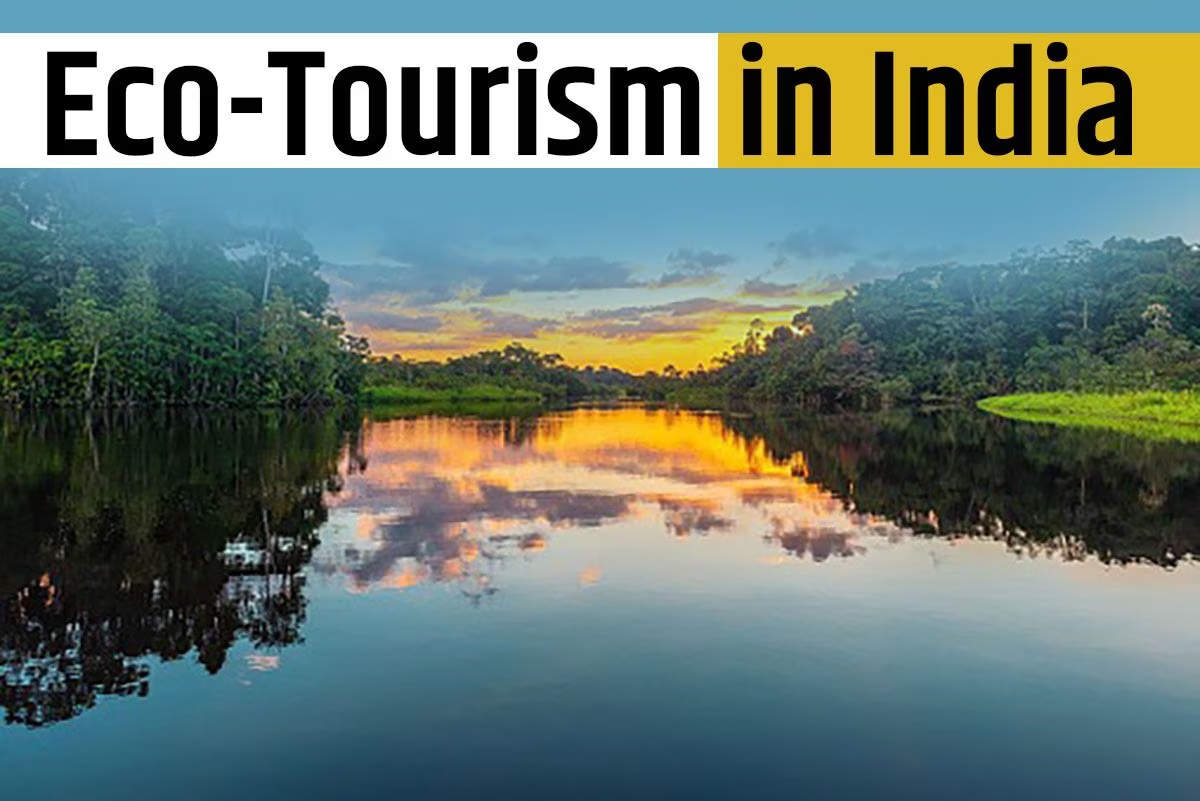


Travel in 2026 is no longer just about sightseeing — it’s about traveling responsibly, protecting nature, and supporting local communities. This shift has made Eco-Tourism in India one of the fastest-growing travel trends among modern travelers.
From peaceful backwaters and wildlife sanctuaries to mountain villages and forest retreats, India offers countless opportunities for sustainable travel experiences that combine adventure, culture, and environmental responsibility.
Eco-tourism focuses on minimizing environmental impact while promoting conservation and benefiting local communities. Travelers today are increasingly choosing eco-friendly stays, nature-based experiences, and destinations that preserve cultural heritage and biodiversity. (RR Hasija)
Explore more sustainable travel ideas at Planet Earth Holidays Blog
What Is Eco-Tourism?

Eco-tourism is a form of responsible travel that protects natural ecosystems and supports local communities. Unlike mass tourism, eco-tourism encourages travelers to:
- Respect wildlife and nature
- Reduce plastic and waste
- Support local businesses
- Stay in eco-friendly accommodations
- Participate in conservation-based activities
India’s growing focus on sustainable tourism is helping preserve forests, wildlife, tribal cultures, and fragile ecosystems while offering travelers authentic experiences. (RR Hasija)
1. Thenmala – India’s First Planned Eco-Tourism Destination

Located in Kerala, Thenmala is widely recognized as India’s first planned eco-tourism destination. Surrounded by forests, rivers, and wildlife, Thenmala offers travelers a peaceful escape into nature.
Popular activities include:
- Nature walks
- Mountain biking
- Forest trekking
- River crossings
- Cultural performances
The destination is designed around sustainability and environmental conservation, making it one of the best examples of Eco-Tourism in India. (RR Hasija)
Learn more about Kerala tourism at Kerala Tourism Official Website
2. Periyar Wildlife Sanctuary – Wildlife and Responsible Tourism

Periyar Wildlife Sanctuary in Thekkady is one of India’s leading eco-tourism destinations. Instead of large-scale commercial tourism, Periyar promotes low-impact activities that protect wildlife habitats.
Visitors can enjoy:
- Bamboo rafting
- Guided jungle treks
- Eco-lodge stays
- Wildlife safaris
- Birdwatching
Revenue generated through eco-tourism supports forest conservation and local community employment. (RR Hasija)
3. Kaziranga National Park – Conservation and Community Tourism

Home to the famous one-horned rhinoceros, Kaziranga National Park is one of India’s most important wildlife conservation destinations.
Eco-tourism initiatives here encourage:
- Responsible wildlife safaris
- Community-run lodges
- Local guide programs
- Conservation education
Travelers visiting Kaziranga not only experience incredible biodiversity but also contribute to wildlife protection efforts. (RR Hasija)
4. Spiti Valley – Sustainable Mountain Travel

Spiti Valley has become a favorite destination for travelers seeking eco-friendly mountain experiences. Located in Himachal Pradesh, this cold desert region promotes sustainable tourism through:
- Solar-powered villages
- Homestays
- Waste reduction programs
- Local cultural preservation
Unlike crowded hill stations, Spiti offers peaceful landscapes and authentic village experiences.
Travel experts say slow travel and rural tourism are becoming major global trends in 2026. (Condé Nast Traveler)
5. Sundarbans National Park – Mangroves and Biodiversity

The Sundarbans is one of the world’s largest mangrove ecosystems and home to the majestic Royal Bengal Tiger.
Eco-tourism here focuses on:
- Boat-based nature tours
- Mangrove conservation
- Birdwatching
- Sustainable village tourism
The fragile ecosystem of the Sundarbans highlights why responsible tourism is essential for protecting biodiversity.
6. Kolli Hills – India’s Emerging Astro Eco-Tourism Destination

Kolli Hills recently gained attention for developing Tamil Nadu’s first Dark Sky Park, promoting eco-sensitive astronomy tourism. The initiative combines environmental protection with educational tourism experiences. (The Times of India)
The destination offers:
- Stargazing camps
- Eco-huts
- Forest experiences
- Nature education programs
This shows how Eco-Tourism in India is evolving beyond wildlife tourism into innovative sustainable travel experiences.
Why Eco-Tourism Matters More in 2026
Climate change, over-tourism, and environmental damage are encouraging travelers to make more responsible choices. In 2026, sustainable tourism is shifting toward “regenerative travel,” where tourism actively helps restore ecosystems and support local livelihoods. (Condé Nast Traveler)
Travelers are increasingly choosing:
- Eco-lodges
- Community tourism
- Wildlife conservation experiences
- Farm stays
- Slow travel experiences
According to sustainable tourism studies, travelers now prioritize authentic and meaningful experiences over crowded luxury tourism. (arXiv)
Final Thoughts

Eco-Tourism in India is transforming the way people explore the country. Instead of simply visiting destinations, travelers are now becoming part of conservation efforts, cultural preservation, and sustainable community development.
Whether it’s bamboo rafting in Kerala, stargazing in Kolli Hills, exploring the mangroves of Sundarbans, or staying in a mountain homestay in Spiti Valley, eco-tourism offers unforgettable experiences while protecting the planet.
As sustainable travel continues to grow in 2026, India is emerging as one of the world’s most exciting destinations for responsible tourism adventures.
0 Comment