

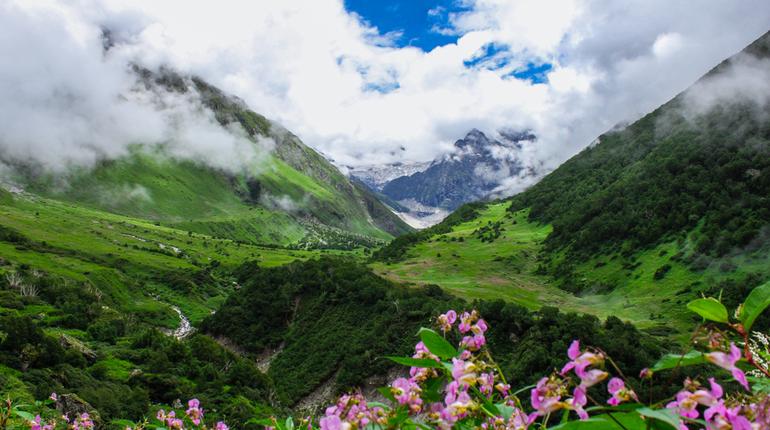

As travelers become more conscious of their environmental impact, Eco Tourism in India has emerged as one of the fastest-growing travel trends. Eco-tourism encourages responsible travel to natural areas, conserves the environment, supports local communities, and promotes sustainable tourism practices.
India, with its diverse landscapes, rich biodiversity, and vibrant cultures, offers countless opportunities for eco-conscious travelers. From forested hills and wildlife sanctuaries to community-run villages and sustainable tourism projects, eco-tourism destinations provide meaningful travel experiences while preserving nature for future generations.
If you’re looking to travel responsibly while exploring some of India’s most beautiful destinations, here are the top places to include on your bucket list.
What is Eco Tourism in India?
Eco Tourism in India focuses on minimizing the negative impact of tourism while maximizing benefits for local communities and ecosystems. Responsible travelers choose environmentally friendly accommodations, respect local traditions, reduce waste, and support conservation efforts.
According to the Ministry of Tourism, Government of India, sustainable tourism plays a crucial role in protecting India’s natural and cultural heritage while generating economic opportunities for local communities.
For more travel inspiration and sustainable holiday ideas, visit the Planet Earth Holidays Blog.
1. Thenmala, Kerala – India’s First Planned Eco-Tourism Destination

Nestled in the foothills of the Western Ghats, Thenmala is widely recognized as India’s first planned eco-tourism destination. Located in the state of Kerala, this scenic destination combines conservation, education, and recreation.
Visitors can enjoy:
- Nature trails through dense forests
- Deer rehabilitation centers
- Boating experiences
- Adventure activities
- Butterfly parks
- Eco-friendly accommodations
The region emphasizes environmental conservation while providing employment opportunities for local communities. Thenmala is an excellent example of how tourism and nature conservation can work together.
Learn more about Kerala’s eco-tourism initiatives through Kerala Tourism.
2. Spiti Valley – High-Altitude Sustainable Travel

Located in the cold desert region of Himachal Pradesh, Spiti Valley has become one of India’s most sought-after eco-tourism destinations.
Surrounded by snow-capped mountains and ancient monasteries, Spiti offers travelers an opportunity to experience responsible tourism while supporting remote communities.
Eco-friendly activities include:
- Homestay experiences
- Village walks
- Cultural exchanges
- Wildlife observation
- Trekking with local guides
Many villages in Spiti actively promote sustainable tourism practices, including waste management initiatives and responsible trekking guidelines.
Travelers are encouraged to minimize plastic usage and support locally owned accommodations and businesses.
3. Mangalajodi – A Paradise for Bird Lovers

Located on the northern edge of Chilika Lake, Mangalajodi is one of India’s most inspiring conservation success stories.
Once known for bird poaching, the local community transformed itself into a conservation-driven tourism destination. Today, former poachers work as bird guides and eco-tourism ambassadors.
Highlights include:
- Birdwatching safaris
- Wetland boat rides
- Photography tours
- Community-led conservation programs
Thousands of migratory birds visit the wetlands every year, making Mangalajodi a dream destination for nature enthusiasts and wildlife photographers.
More information can be found through Chilika Development Authority.
4. Khonoma Village – India’s Green Village

Often referred to as India’s first green village, Khonoma is a model of community-based conservation and sustainable tourism.
Located near Kohima, the village is famous for:
- Community conservation programs
- Organic farming
- Traditional Angami culture
- Eco-friendly homestays
- Nature trails
Khonoma’s residents voluntarily banned hunting and established conservation zones to protect local wildlife. The village demonstrates how communities can preserve biodiversity while benefiting from tourism.
Visitors gain authentic cultural experiences while directly contributing to local livelihoods.
Sustainable Travel Practices Every Responsible Traveler Should Follow
Eco-tourism is not only about choosing the right destination; it’s also about how you travel. Here are some simple ways to reduce your environmental impact:
Choose Eco-Friendly Accommodations
Stay in hotels, lodges, and homestays that follow sustainable practices such as waste reduction, renewable energy use, and water conservation.
Reduce Plastic Consumption
Carry reusable water bottles, shopping bags, and travel containers whenever possible.
Support Local Communities
Purchase local products, hire local guides, and dine at locally owned restaurants.
Respect Wildlife
Observe animals from a safe distance and avoid activities that disturb natural habitats.
Travel Responsibly
Use shared transportation, public transport, or eco-friendly travel options whenever available.
The United Nations World Tourism Organization (UN Tourism) promotes responsible travel practices that help preserve natural and cultural heritage worldwide.
Why Eco Tourism in India Is Growing
Several factors are driving the growth of eco-tourism across India:
- Increased environmental awareness
- Demand for authentic travel experiences
- Community-based tourism initiatives
- Wildlife conservation efforts
- Government support for sustainable tourism
Travelers increasingly seek meaningful experiences that create positive impacts on destinations while allowing them to connect with nature and local cultures.
Conclusion
Eco Tourism in India offers travelers an opportunity to explore breathtaking landscapes while contributing to environmental conservation and community development. Whether you’re wandering through the forests of Thenmala, exploring the mountains of Spiti Valley, birdwatching in Mangalajodi, or experiencing the sustainable lifestyle of Khonoma Village, each destination showcases the power of responsible tourism.
As tourism continues to evolve, choosing sustainable travel experiences can help protect India’s incredible natural and cultural heritage for future generations.
For more destination guides, responsible travel tips, and curated holiday packages across India, visit the Planet Earth Holidays Blog and start planning your next eco-friendly adventure.
0 Comment