

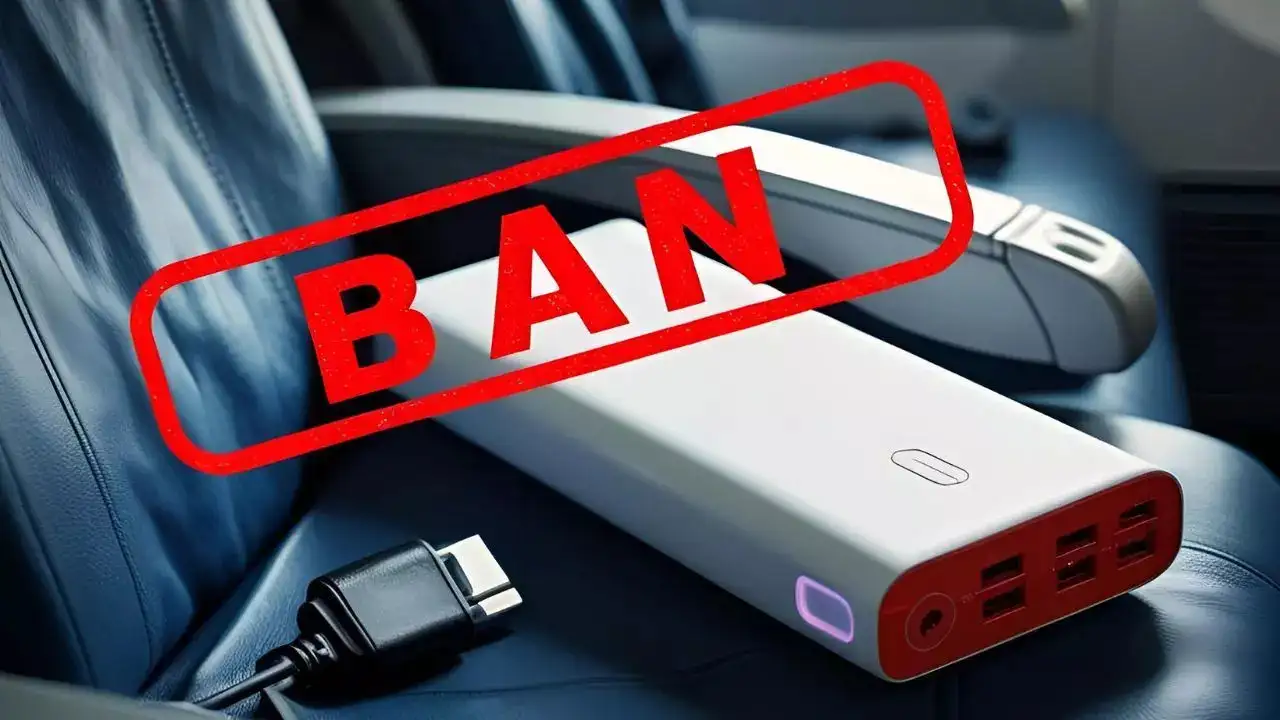

In a major update to aviation safety norms in India, the Directorate General of Civil Aviation (DGCA) has issued a firm directive that DGCA bans use of power banks for charging devices during flights After lithium battery fire incident concerns. This move comes amid growing global awareness of the fire hazards posed by lithium-ion battery technology, particularly when such batteries are used onboard aircraft. AP7AM+1
This new regulation marks a critical step toward improving passenger safety and mitigating the risk of onboard fire incidents — especially after airlines have reported multiple cases of lithium batteries overheating or catching fire. AP7AM
Why DGCA Took This Step
Lithium-ion batteries are found in a wide range of portable electronics — from smartphones and laptops to power banks themselves. These batteries are lightweight and capable of storing large amounts of energy, but that same quality also makes them a fire hazard when damaged, misused, or overheated. In aviation settings, such fires can be particularly dangerous. The Economic Times
Experts say that unlike typical fuel-based fires, lithium-ion battery fires can be self-sustaining, releasing gases and heat that make them difficult to control without specialized fire-suppression tools. On an aircraft, where crew response time and accessibility are limited, preventing such incidents is critical. Business League – Financial Experts
According to aviation regulators, there have been several reported incidents — globally and in India — where power banks or other lithium battery-powered devices have overheated or sparked smoke while onboard. In one recent episode involving a power bank on an IndiGo flight taxiing from Delhi, cabin crew had to intervene to put out a fire before takeoff. The Economic Times
Because these risks can escalate rapidly and compromise flight safety, DGCA bans use of power banks for charging devices during flights After lithium battery fire incident has been made a formal guideline rather than an informal advisory. AP7AM
What the Ban Actually Means
Under the new rules:
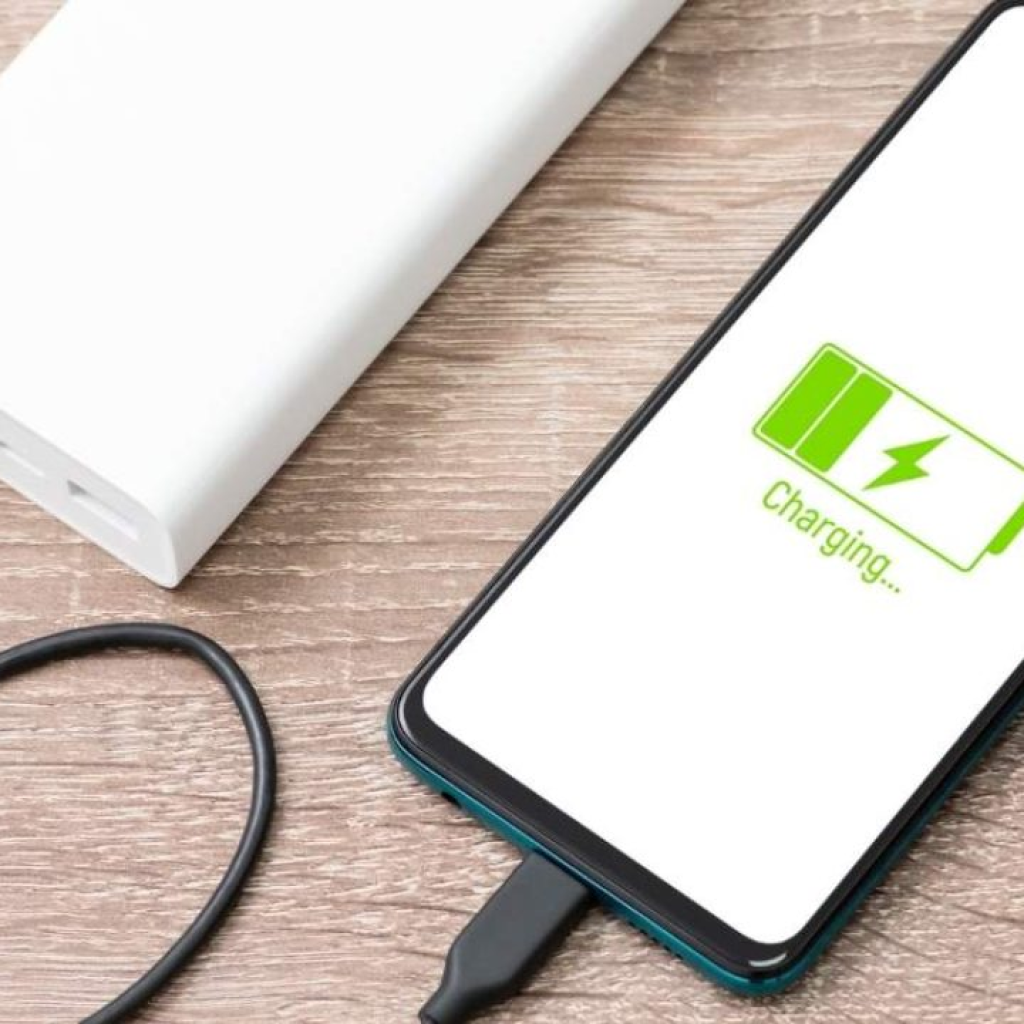
- Passengers are no longer allowed to use power banks to charge phones, tablets, laptops, or other electronics during the flight. This prohibition includes charging via aircraft seat power outlets or USB ports. AP7AM
- Power banks must still be carried in hand baggage only. They are not permitted in checked luggage nor in overhead bins, where a fire could go unnoticed longer and pose greater risk. OpIndia
- Airlines are instructed to enforce this rule through inflight announcements and crew vigilance. Crew members are now required to remind passengers not to charge devices using power banks mid-air. Business Standard
This means any attempt to plug in a power bank during a flight — whether into a phone, tablet, laptop or the seat’s power supply — is not allowed. Even if your power bank isn’t being actively used for charging, it must be kept visible and accessible, so crew can monitor it if necessary. India Today
What Passengers Should Do
Here’s how flyers can prepare:
- Fully charge your devices before boarding: Because power banks can’t be used in flight, make sure your phone, tablet, or laptop is fully powered up before takeoff.
- Use aircraft power outlets if available: Some aircraft offer USB or AC outlets — these are fine to use for charging as long as you’re not plugging in an external power bank.
- Carry power banks correctly: Keep them in your cabin bag under the seat or in the front pocket, where crew can see them easily if needed. Business League – Financial Experts
This new rule echoes similar policies already adopted by several international carriers and regulators. Airlines such as Emirates and Singapore Airlines have banned power bank use mid-flight to reduce the risk of lithium battery fires. The Economic Times
Safety Over Convenience

While some travellers may feel inconvenienced, aviation authorities stress that this policy prioritizes safety. Fires caused by lithium batteries can be unpredictable and intense — and in the confined environment of an aircraft cabin, they require immediate and specialized responses. By reducing the likelihood of fires starting in the first place, the DGCA aims to make air travel safer for all passengers. ET Now
Airlines have also been asked to improve crew training around recognizing early signs of battery malfunction (like smoke, heat, or unusual smells) and responding swiftly to contain potential hazards. Business Standard
Final Thoughts
In summary, the policy confirms that DGCA bans use of power banks for charging devices during flights After lithium battery fire incident and reinforces aviation’s commitment to passenger safety in the face of evolving technology risks. As electronic devices become more integral to our travel experience, regulations like these will likely continue to evolve — always with safety at the forefront.
For more travel news, expert safety insights, and tips on smart air travel planning, visit our partner site Planet Earth Holidays — your guide to safe and unforgettable journeys around the world.
0 Comment