

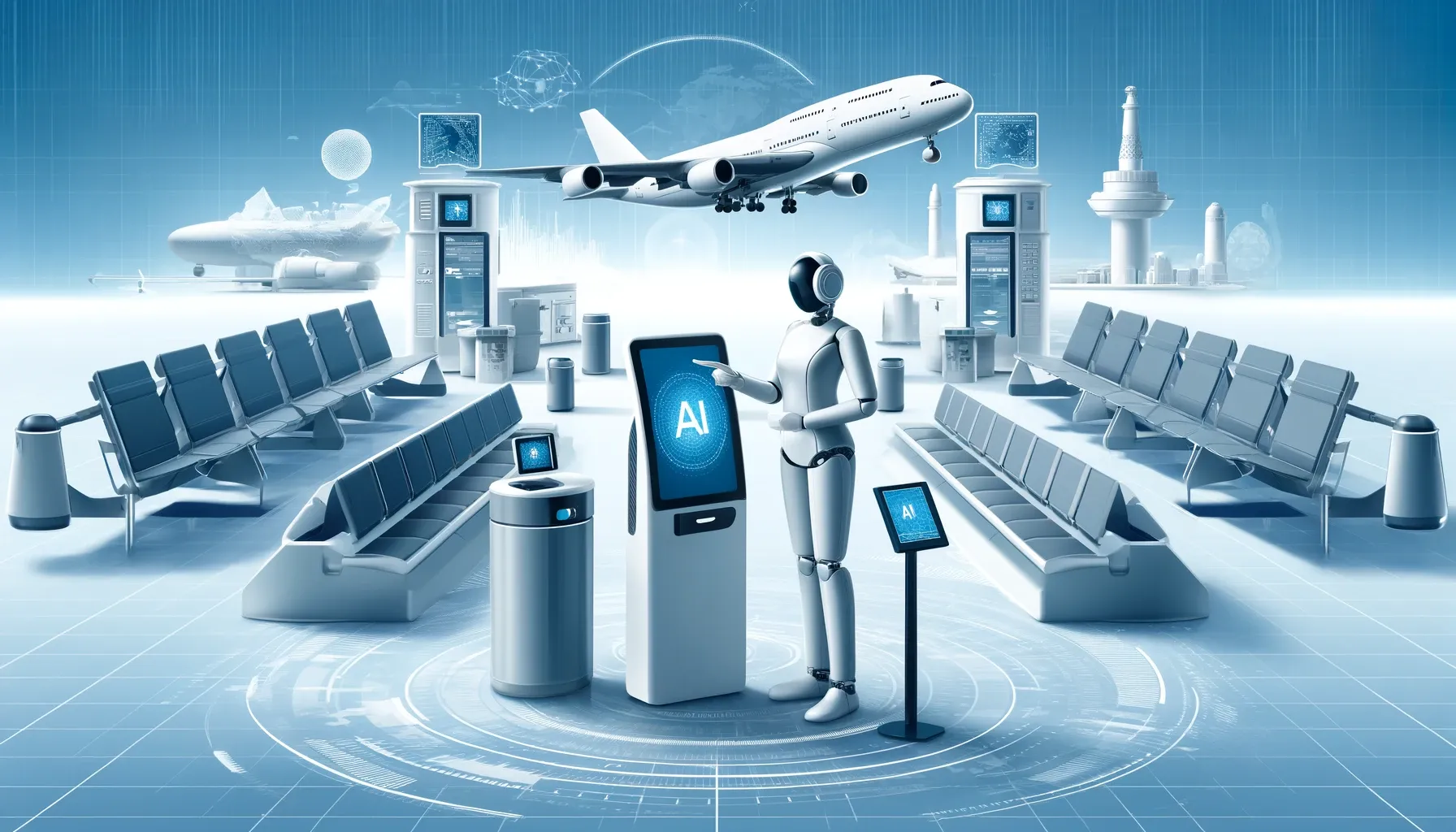

Imagine planning a trip in minutes, your hotel room adjusting its settings to your preferences, your itinerary updating in real time when plans change, and a virtual assistant translating languages as you wander down an alley in a foreign city. In 2025, “AI in travel” is no longer sci-fi—it’s increasingly integral to how we explore the world.
From Inspiration to Itinerary: Hyper-Personalized Trip Planning

One of the most profound impacts of AI in travel is how it can build custom itineraries by analyzing your past preferences, budgets, interests, and even real-time factors like weather and local events. Travel tech firms now leverage generative models and predictive analytics to propose dynamic plans that optimize time, cost, and experiences. advantagetravelpartnership.com+2Exploding Topics+2
For example, applications like Mindtrip allow you to input your preferences—whether it’s hiking trails, cafes, or museums—and get a full trip plan within seconds. Mindtrip Meanwhile, research prototypes like Roamify are exploring AI-powered itinerary generation as browser extensions, combining web data with user inputs to dynamically update suggestions. arXiv
As interest in AI travel tools surges, Booking.com reports that 89% of travelers globally want to integrate AI into future planning. Travel Noire The shift is so significant that Deloitte terms it an “AI acceleration” moment for travel. Deloitte+1
Traveler Tip: Use AI-powered planning tools for your first draft itinerary. Then layer in your own tweaks—don’t let the AI be the boss of your trip, but let it be a powerful co-pilot.
Dynamic Pricing & Smarter Booking Agents

Another advantage of AI is dynamic pricing and smart booking agents. AI algorithms analyze demand, seasonality, local events, and competitor prices to adjust rates in real time. This forces hotels, airlines, and platforms to become more responsive. Snowflake+3travelport.com+3GlobeNewswire+3
AI booking agents (or “smart agents”) can instantly compare deals across providers, rebook in case of cancellations, and send alerts when prices drop. Navan+1 Some virtual travel assistants automate up to 95% of booking tasks, including modifications and confirmations. KITRUM+1
For hotels, AI-driven booking assistants integrated with property management systems enable real-time availability checks, upsell suggestions (e.g. room upgrades), and faster confirmations. conduit.ai+2BlueBash portfolio+2 Reduced latency and smarter choices benefit both travelers and businesses.
Traveler Tip: If you’re watching for deals, use an AI tool or set alerts. And book closer to your ideal travel dates if you notice price drops (with backup options in case of unavailability).
AI in Hotels: From Virtual Concierge to Smart Environments

AI doesn’t stop in the planning phase—it extends deeply into the on-site hotel experience. Many modern hotels now adopt AI guest service tools: chatbots, voice assistants, and smart room controls.
- Virtual Concierges / Chatbots: Available 24/7, these AI systems can answer FAQs, suggest local attractions, order room service, or even help with check-out. blog.emergingtravel.com+2Snowflake+2
- Agentic AI / Virtual Assistants: The next level—these systems not only respond but take actions. They can rebook restaurants, reserve local tours, or adapt plans based on your location. Tredence+2Snowflake+2
- Smart Rooms & Personalization: Based on your profile, the room adjusts settings—lighting, AC, music, even minibar suggestions. Hotels analyze preferences from past stays to anticipate your comfort needs. advantagetravelpartnership.com+2Meegle+2
In India, for instance, Treebo Hospitality Ventures launched “Hotel Superhero,” an AI-based SaaS system for independent hotels in India, with voice and chat interfaces for guest management. The Economic Times
Traveler Tip: Before you arrive, share your preferences via the hotel’s app or website (preferred room temperature, pillow choice, etc.). Let the AI-powered staff know what matters to you.
Real-Time Adaptation & AI-Powered Translation

One of AI’s standout capabilities is live adaptation. If your flight is delayed, an AI assistant can reschedule onward connections, adjust your itinerary, alert hotels, or suggest alternate transport. GlobeNewswire+3Navan+3Aimsys+3
AI systems also support real-time translation. Modern large language models (LLMs) and multimodal models facilitate on-the-fly audio or text translation between many languages—ideal when exploring off-the-beaten-path towns. GlobeNewswire+4Exploding Topics+4PhocusWire+4
Moreover, advanced models like TraveLLaMA are developed to understand urban scenes (maps, street views) and answer travel queries with visual context—a powerful blend of vision and language for travelers. arXiv
Traveler Tip: Use a travel assistant app or local AI translator when navigating streets, menus, or transportation. It saves time and prevents miscommunications.
How You Can Make the Most of AI in Your Travels
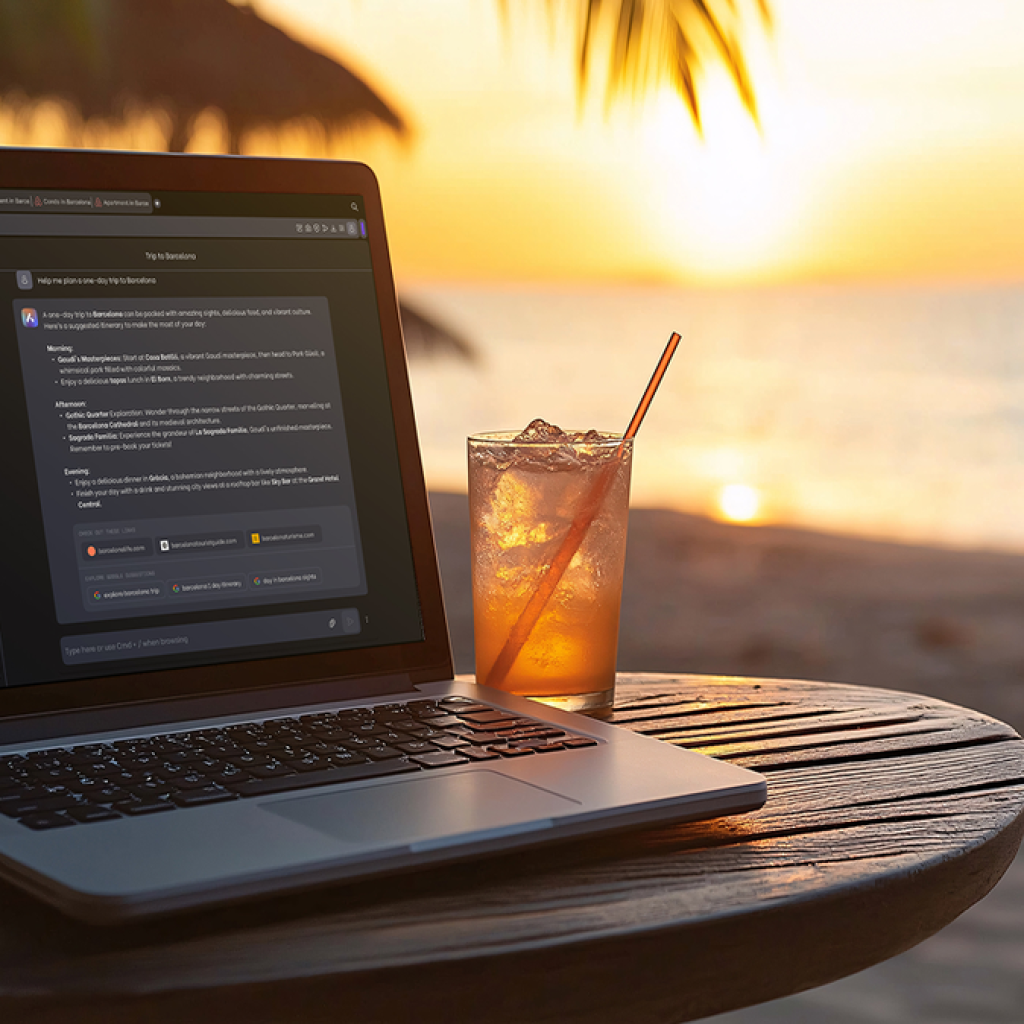
Here’s how travelers can leverage the power of AI in 2025:
- Start with AI, refine with you
Use AI to generate a base itinerary, but adjust it for local tips, hidden gems, and your pace. - Use consolidated AI travel assistants
Apps that integrate planning, booking, translations, and real-time updates reduce app-hopping. - Opt into personalization
Allow platforms to learn your preferences—favorite cuisines, hotel styles, activity level—so future journeys improve. - Stay alert but flexible
AI suggestions are powerful but not perfect. Validate with reviews and human insight. Don’t blindly accept every recommendation. - Back up & offline
Always have your bookings, maps, and vital info accessible offline—AI needs connectivity, but travel doesn’t always.
In conclusion, AI in travel is no passing fad—it’s rapidly reshaping how we plan, book, and experience our trips. From personalized itinerary engines to smart hotel rooms, dynamic pricing, and real-time adaptation, AI is making travel more fluid, less stressful, and more tailored to individuals.
To stay updated on how travel, technology, and holiday experiences evolve, explore our travel blog archive at Planet Earth Holidays Blog
0 Comment