

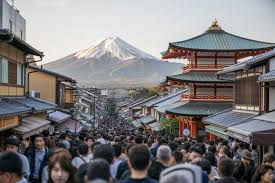

Whether you’re dreaming of cherry blossoms in bloom, cutting-edge technology, or tranquil onsens overlooking snow-capped mountains, Japan remains one of the world’s most irresistible destinations in 2026. But if you’re planning to visit soon, there’s an important travel cost update you need to know — Japan is restructuring several travel taxes and fees this year. Planning ahead will help you save money and avoid last-minute budget surprises. (Condé Nast Traveller India)
📈 Why 2026 Is a Turning Point for Japan Travel Costs
In response to a post-pandemic surge in international visitors and pressure on popular cities like Tokyo, Kyoto, and Osaka, the Japanese government is introducing several new travel-related charges. While these changes aim to improve infrastructure and manage tourism sustainably, they also mean travellers will pay more for certain parts of their journey. (Condé Nast Traveller India)
✈️ 1. Departure Tax Tripling — What It Means

One of the biggest changes for visitors in 2026 is the increase in Japan’s international departure tax — commonly known as the “tourist tax.”
From July 2026 onwards, the departure tax that you pay when leaving Japan (included in your airline or ferry ticket) is set to increase from ¥1,000 to ¥3,000 per person. This applies to all travellers, including foreign tourists and Japanese citizens alike. (Trip.com)
👉 Practical Impact:
- A family of four could end up paying an extra ~¥8,000 (~₹4,600+) upon departure alone. (Trip.com)
- The hike is part of efforts to fund tourism infrastructure and manage overtourism. (Condé Nast Traveller India)
This change means that if you’re planning Japan flights in late 2026, your ticket costs will automatically reflect the higher tax — a small extra amount that can add up if you’re travelling with family or multiple times.
🛂 2. Possible Visa & Tourist Fee Increases

Cost adjustments aren’t limited to departure taxes. Discussions within Japan’s government suggest visa fees might also be raised. Traditionally, a standard short-term visa cost around ¥3,000, but proposals being considered could see that increase significantly to reflect administrative costs and regulatory changes. (Condé Nast Traveller India)
This is especially relevant for travellers who need to apply for a visa before departure — including many Indian passport holders. Factoring this into your budget now helps avoid last-minute surprises.
🏨 3. Local Tourism & Accommodation Charges
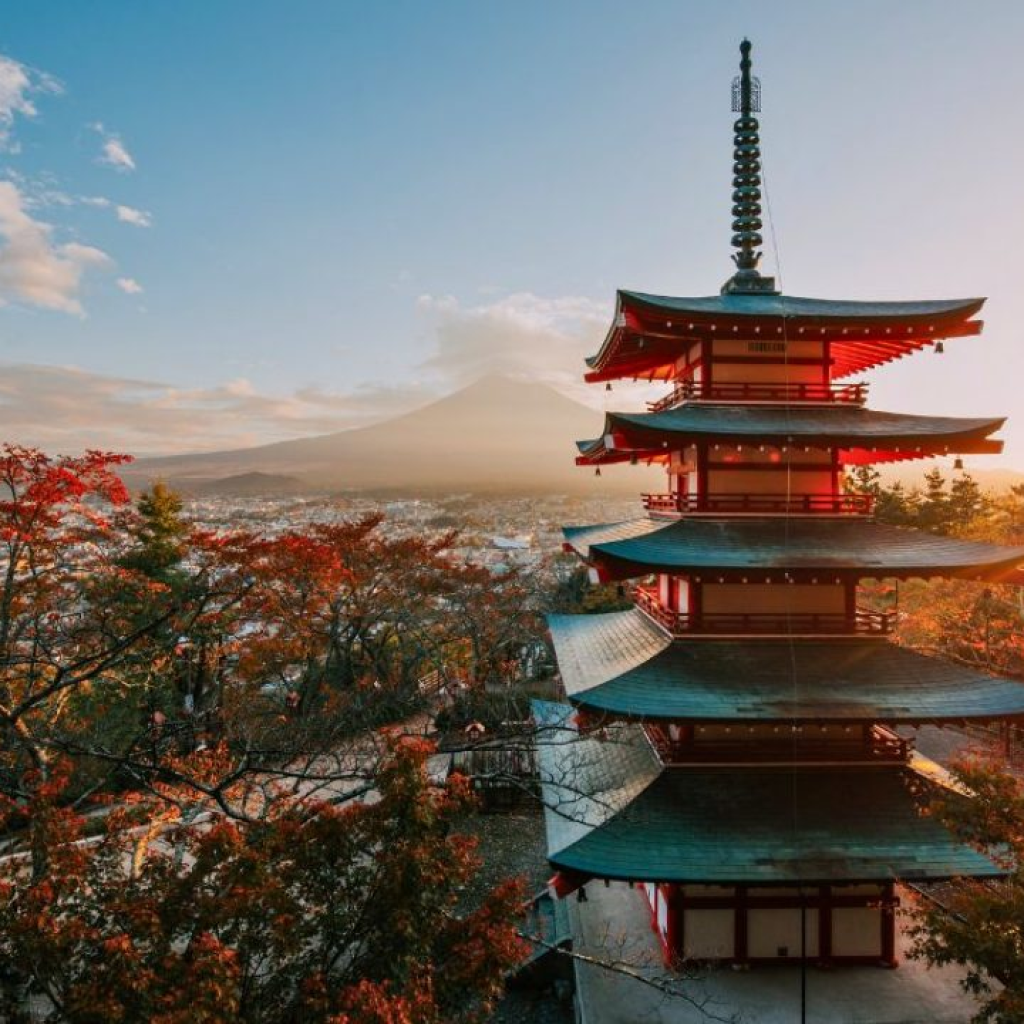
In addition to national fees, local Japanese cities like Kyoto are introducing or expanding hotel or accommodation taxes starting in early 2026. Under these plans:
- Cities with heavy tourist traffic will levy additional charges on hotel stays.
- In Kyoto, for example, the tax will vary by room price and can be significantly higher for luxury stays (up to ¥10,000 per night). (Condé Nast Traveller India)
This means that while budget hotels and guesthouses might still be affordable, travellers staying in high-end property tiers should plan for these extra nightly costs.
💴 4. Shopping & Tax Refund System Changes

Another upcoming change is Japan’s tax-free shopping system — long a favourite benefit for visitors. Starting late in 2026, Japan will shift from instant tax discounts at checkout to a refund-at-departure model. This means:
- You’ll initially pay the full price (including consumption tax) for purchases,
- Then claim a refund when departing Japan. (Trip.com)
While not a tax increase per se, this affects how you budget your spending — especially if shopping is a key reason for your trip.
🧠 5. How to Plan Japan on a Budget in 2026
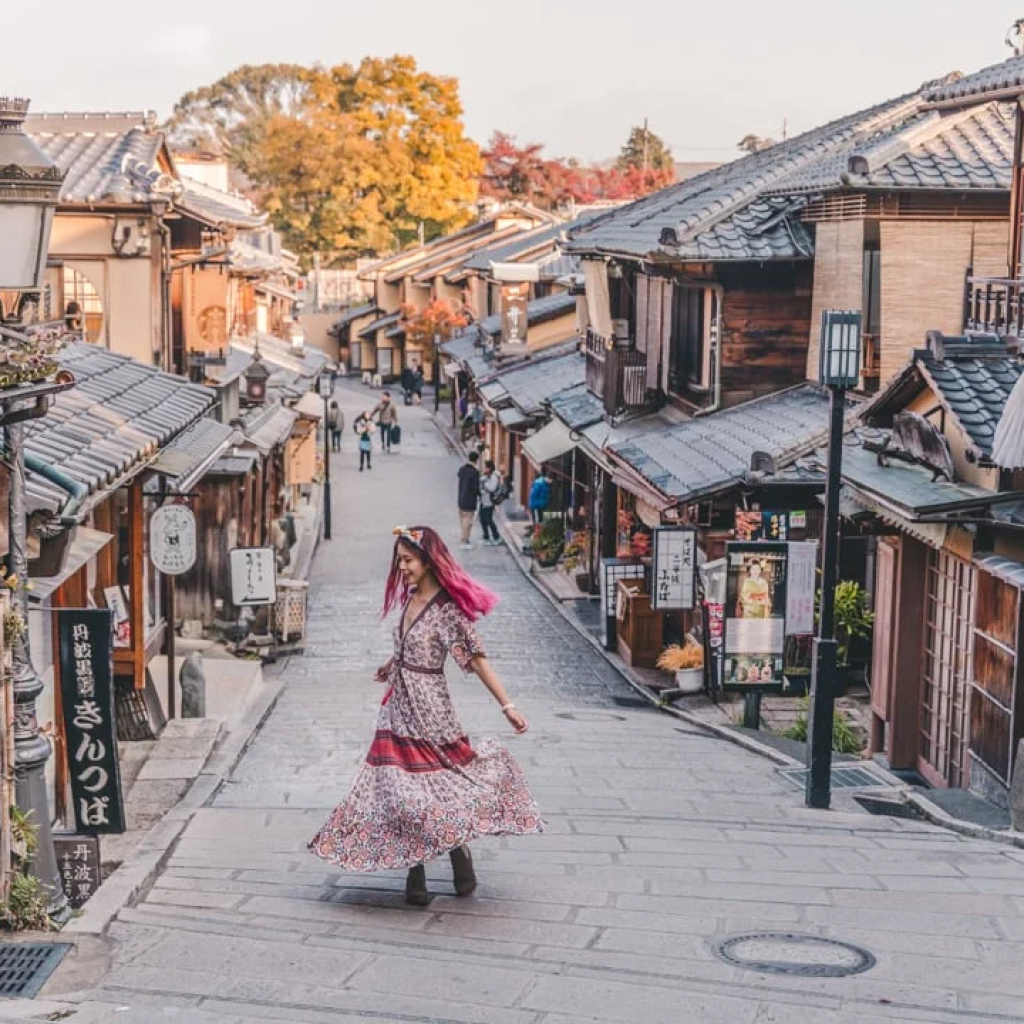
Despite higher taxes, Japan can still be an excellent travel destination if you plan smartly. Here are practical strategies:
✈️ Book Early to Lock Current Rates
Prices for flights and accommodation are still relatively stable before many of these 2026 changes take effect. Booking early — especially before July — helps lock in lower departure tax rates and hotel costs. (Trip.com)
🏨 Choose Cost-Smart Destinations
While Tokyo and Kyoto are iconic, lesser-visited cities like Fukuoka, Yamanashi, and Hiroshima provide remarkable cultural experiences often at lower cost. These places are perfect for travellers looking to stretch their budget without missing out on authentic Japanese culture. (Travel Tomorrow)
🍱 Eat Local & Avoid Tourist Traps
Japanese cuisine is world-renowned, and dining at local izakayas, markets, and casual eateries not only enriches your travel experience but also keeps costs down.
🚆 Use Regional Rail Passes
Japan’s efficient rail network rewards travellers who use prepaid passes like the Japan Rail Pass. These passes can significantly cut transportation costs — especially on long journeys between cities.
📍 6. Should You Still Travel in 2026?
Absolutely — yes! Despite the rising taxes and fees, Japan’s appeal hasn’t diminished. In fact, 2026 might be one of the best years to visit during the famous cherry blossom season, as availability at popular hotels improves and regional destinations gain more exposure. (Travel Tomorrow)
And with proactive budgeting and smart planning, you can enjoy everything from ancient temples to cutting-edge tech cities without stress.
🔗 Ready to Plan Your Trip?
Make your Japan travel dreams a reality with expert guidance and tailored itineraries at Planet Earth Holidays. Whether you want custom tours, flights + hotels, or detailed travel support, start planning today at https://planetearthholidays.com/japan-tour-packages — your gateway to memorable, well-planned journeys.
🌏 Plan smarter. Travel further. Explore Japan with confidence.
0 Comment