

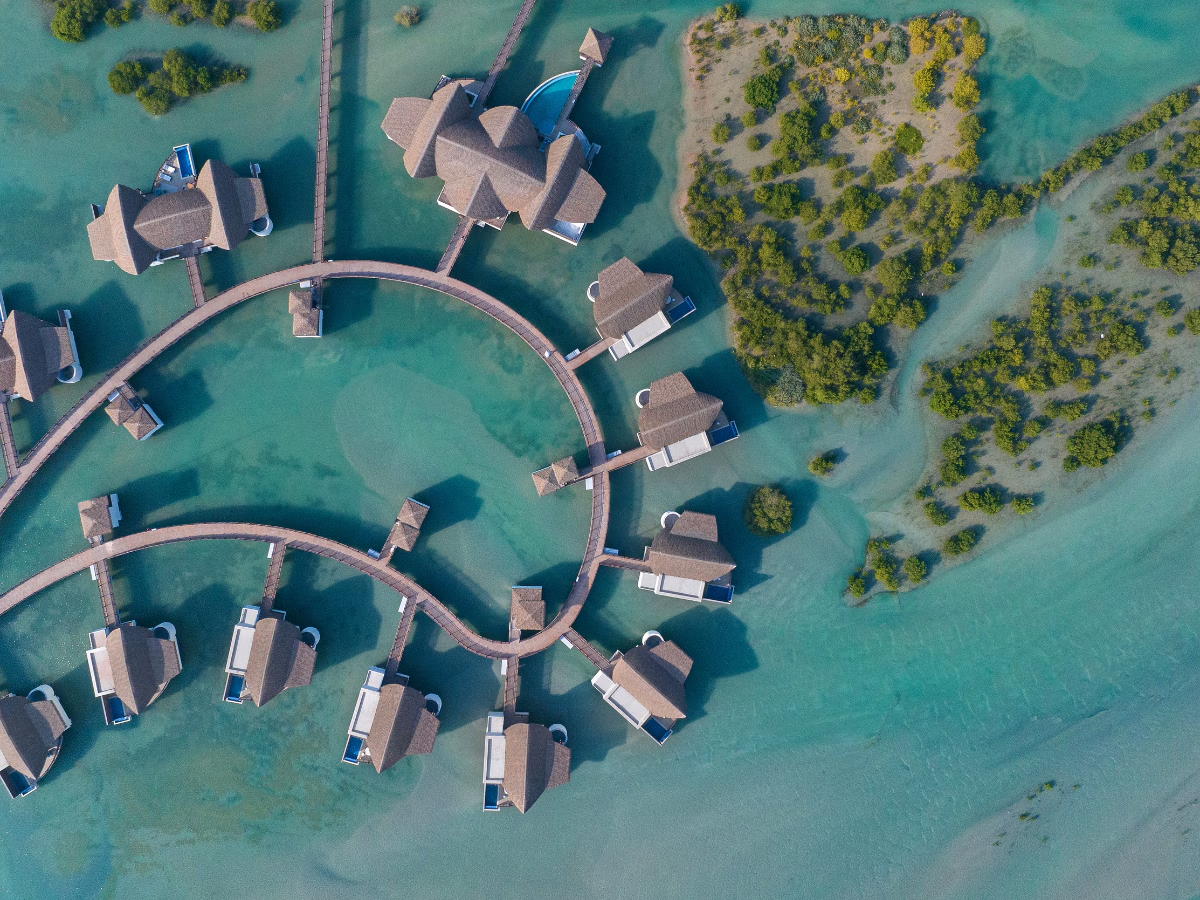

In a world that’s constantly rushing, 2026 is redefining what luxury truly means. It’s no longer about ticking off countries or rushing through packed itineraries. Instead, travellers are choosing slow travel—a mindful way of exploring that focuses on depth over distance, experience over excess, and wellbeing over bragging rights.
As wellness and sustainability take centre stage, slow travel has emerged as the most desirable way to see the world in 2026. Longer stays, fewer destinations, cultural immersion, scenic train journeys, and digital detox holidays are shaping a calmer, richer travel experience.
Why Slow Travel Is Trending in 2026
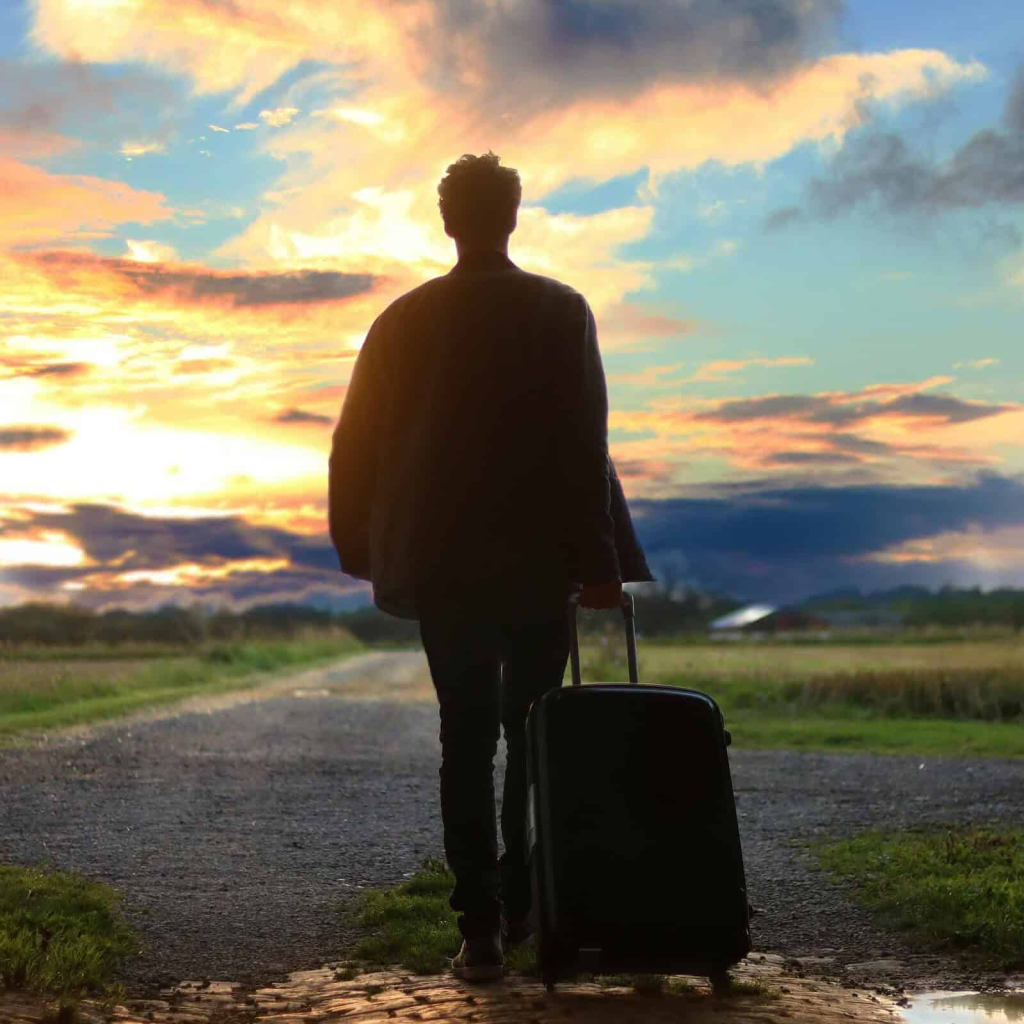
The modern traveller is burned out—from fast-paced lifestyles, constant notifications, and overcrowded tourist hotspots. Slow travel answers that fatigue by offering:
- Reduced stress and travel burnout
- Deeper cultural connections
- Lower environmental impact
- Better value through longer stays
Instead of seeing more, travellers want to feel more. That shift is making slow travel the ultimate luxury of 2026.
1. Longer Stays, Fewer Destinations
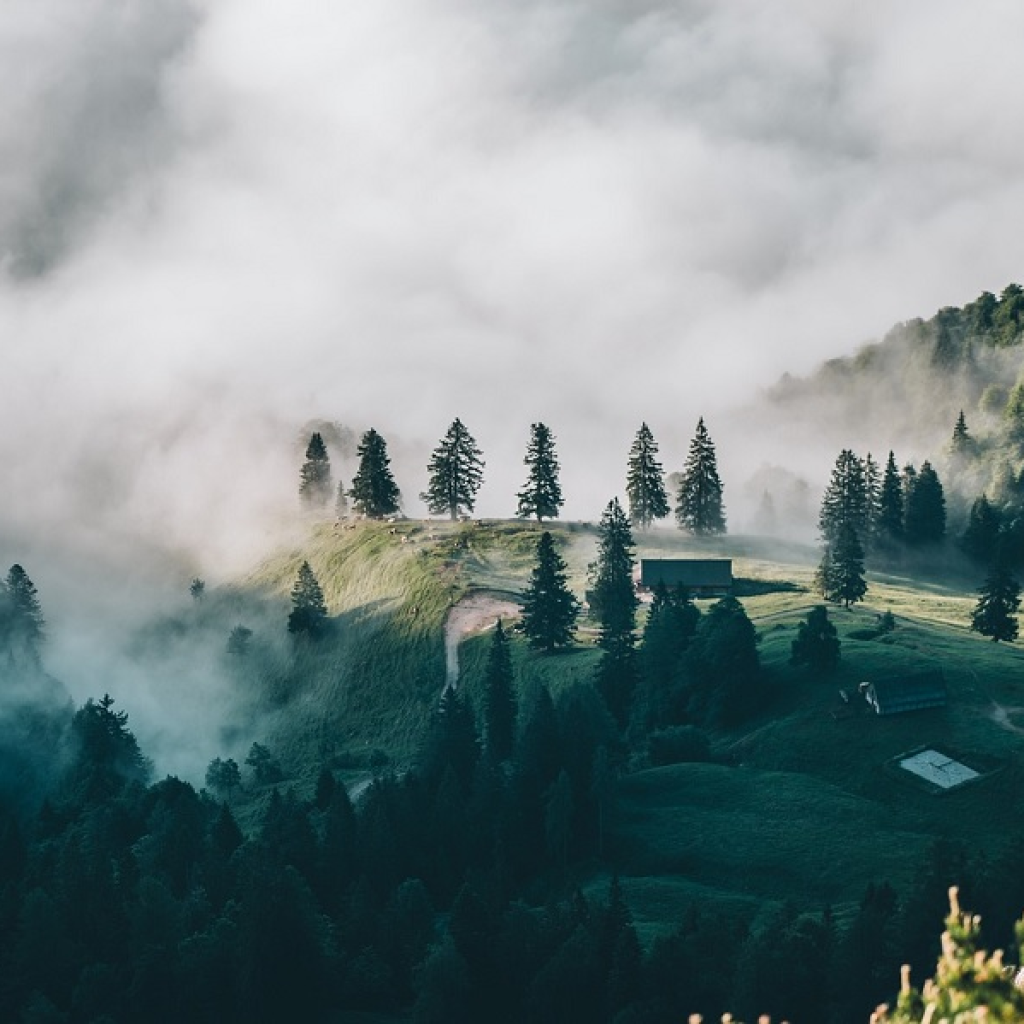
One of the biggest changes in 2026 travel planning is choosing fewer places and staying longer in each. Travellers are spending a week—or even a month—in one destination rather than hopping between cities every two days.
Why this works:
- You experience daily life, not just attractions
- Travel feels less exhausting and more meaningful
- Accommodation costs drop with long-stay discounts
Whether it’s a quiet coastal town, a mountain village, or a heritage city, slow travellers prefer settling in and living like locals.
2. Village Stays & Homestays Take the Spotlight
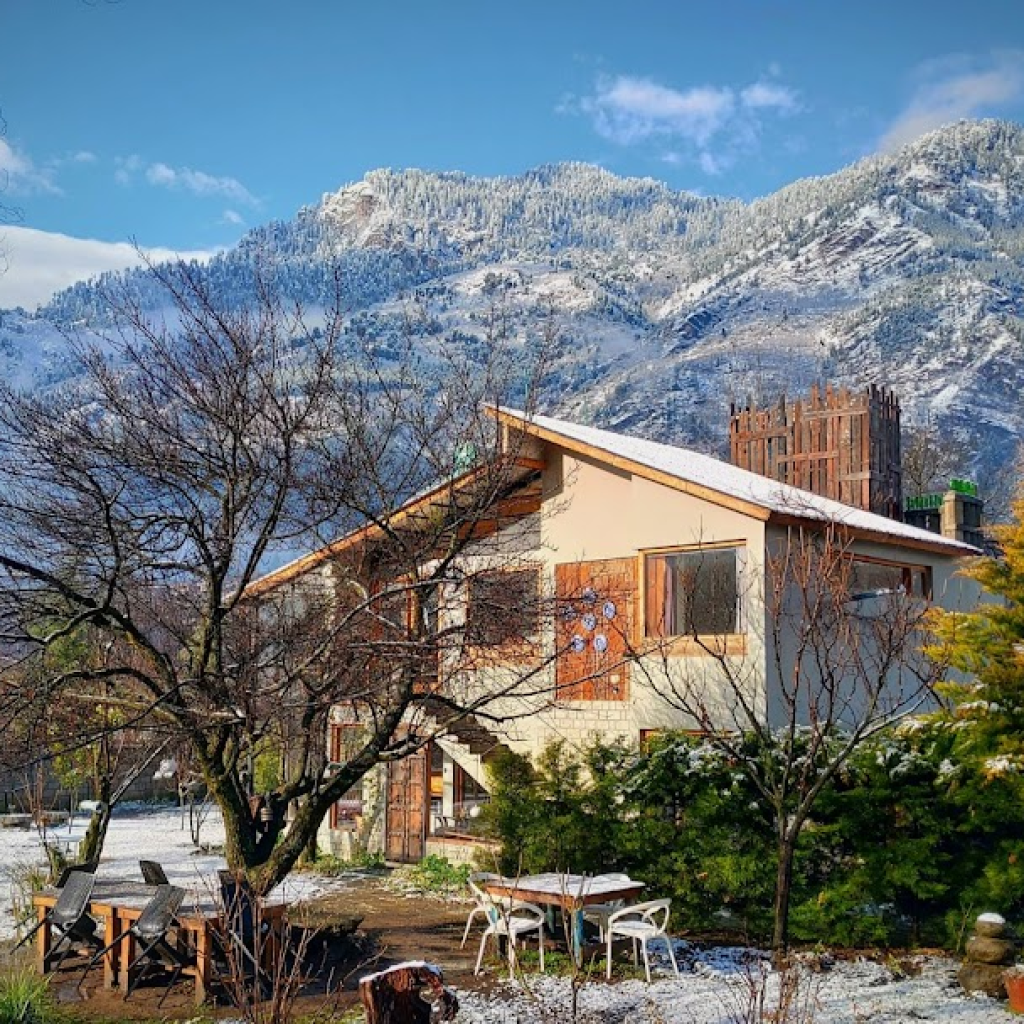
Luxury in 2026 is personal—and nothing feels more personal than village stays and homestays. Travellers are choosing family-run properties over big hotels, seeking authenticity and warmth.
Village stays offer:
- Home-cooked local food
- Cultural traditions and storytelling
- Community-based tourism that supports locals
In India, rural experiences in Kerala, Rajasthan, and the North-East are gaining popularity. Globally, countryside stays across Europe and Asia are becoming favourites for travellers seeking peace and connection.
This style of travel also aligns strongly with sustainability—money stays within the local economy, and tourism footprints are smaller.
3. Scenic Rail Journeys Replace Short Flights
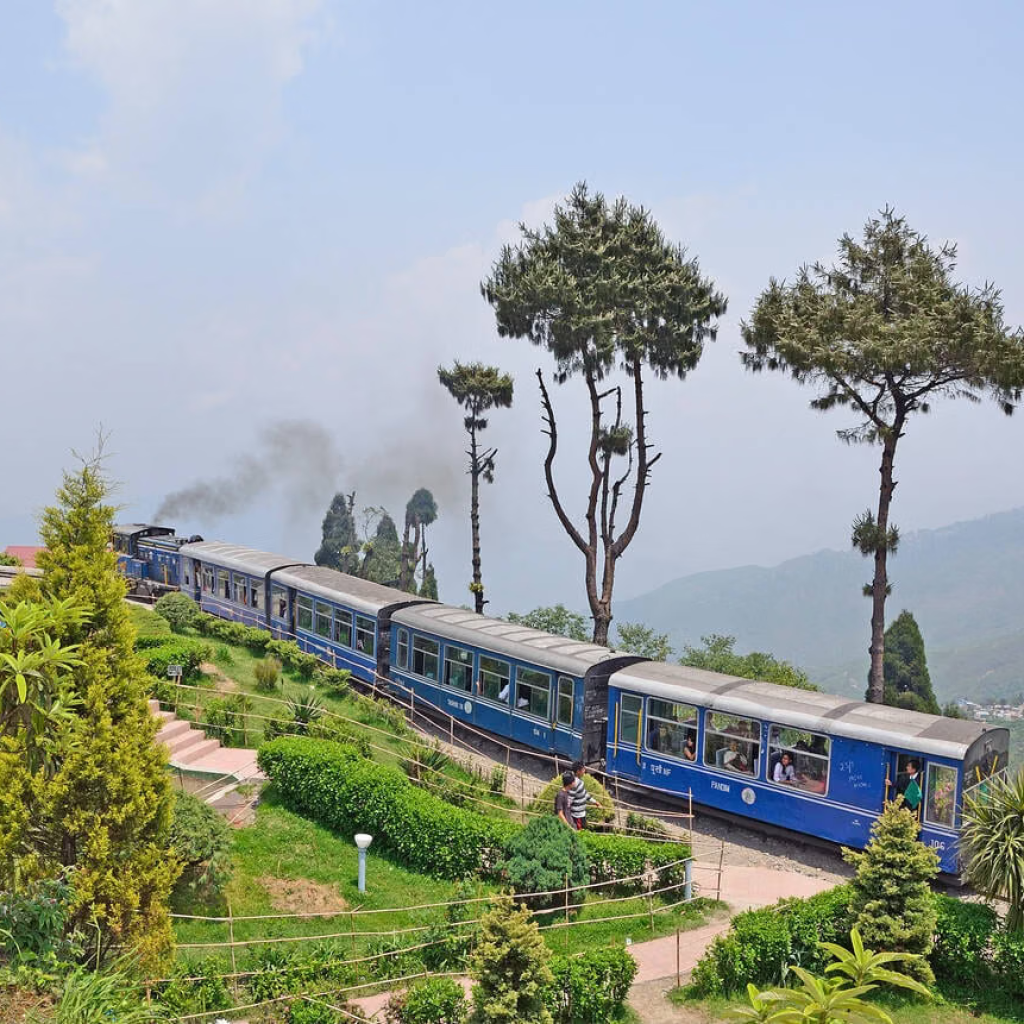
In 2026, trains are not just transportation—they are part of the experience. Scenic rail routes are replacing short-haul flights for travellers who value comfort, views, and sustainability.
Some iconic slow-travel rail experiences include:
- Alpine routes across Switzerland
- Coastal train journeys in Europe
- Heritage railways through mountains and forests
Train travel allows travellers to slow down, watch landscapes unfold, and reduce carbon emissions. With comfortable seating, dining cars, and panoramic windows, rail journeys feel nostalgic yet luxurious.
According to global travel trend reports, rail-based tourism has seen a steady rise as travellers seek greener and more immersive ways to move.
4. Digital Detox Holidays Are in Demand
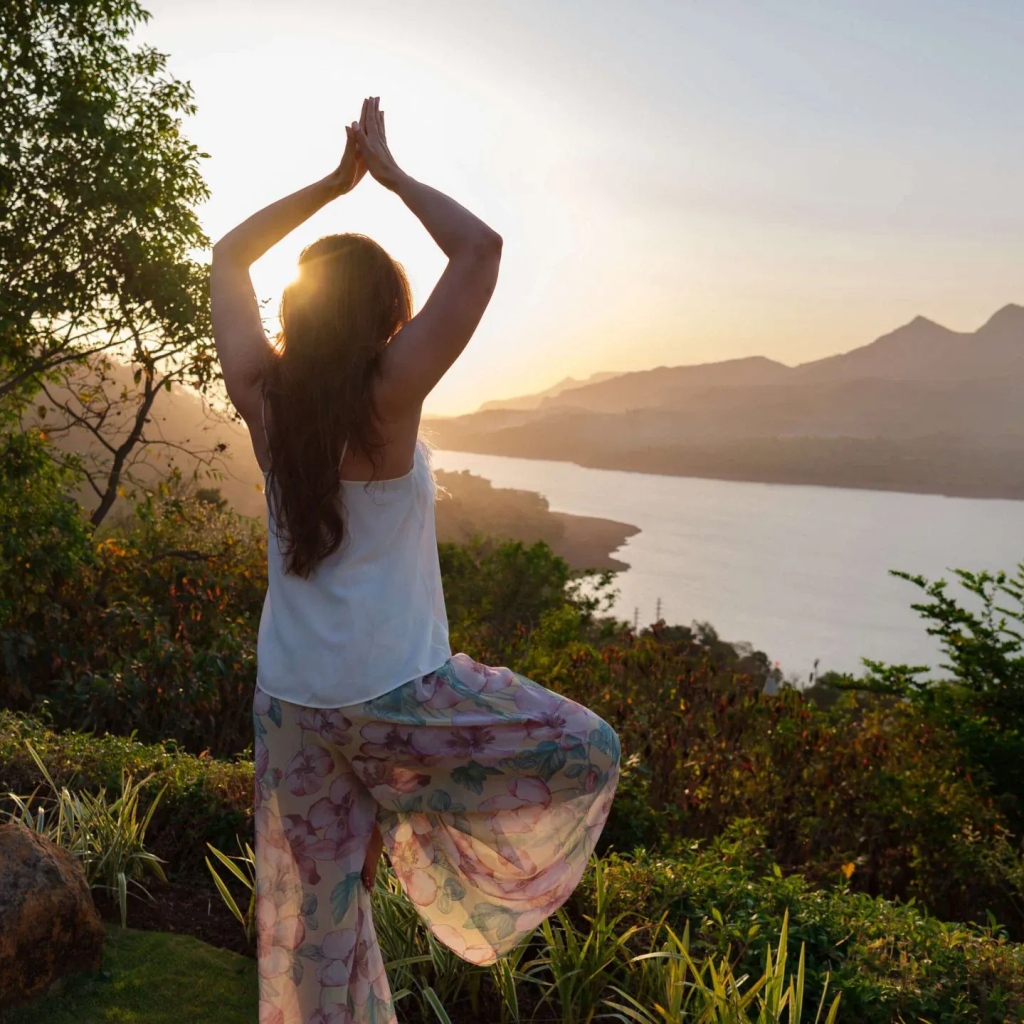
Perhaps the most powerful slow travel trend of 2026 is the digital detox holiday. Travellers are intentionally disconnecting from screens, emails, and social media to reconnect with themselves.
Digital detox retreats focus on:
- Limited or no Wi-Fi
- Nature-based accommodations
- Yoga, meditation, and wellness activities
- Mindful routines instead of schedules
Mountain retreats, forest lodges, island stays, and wellness resorts are leading this movement. For many travellers, being unreachable for a few days has become the ultimate indulgence.
5. Mindful Travel Over Checklist Tourism
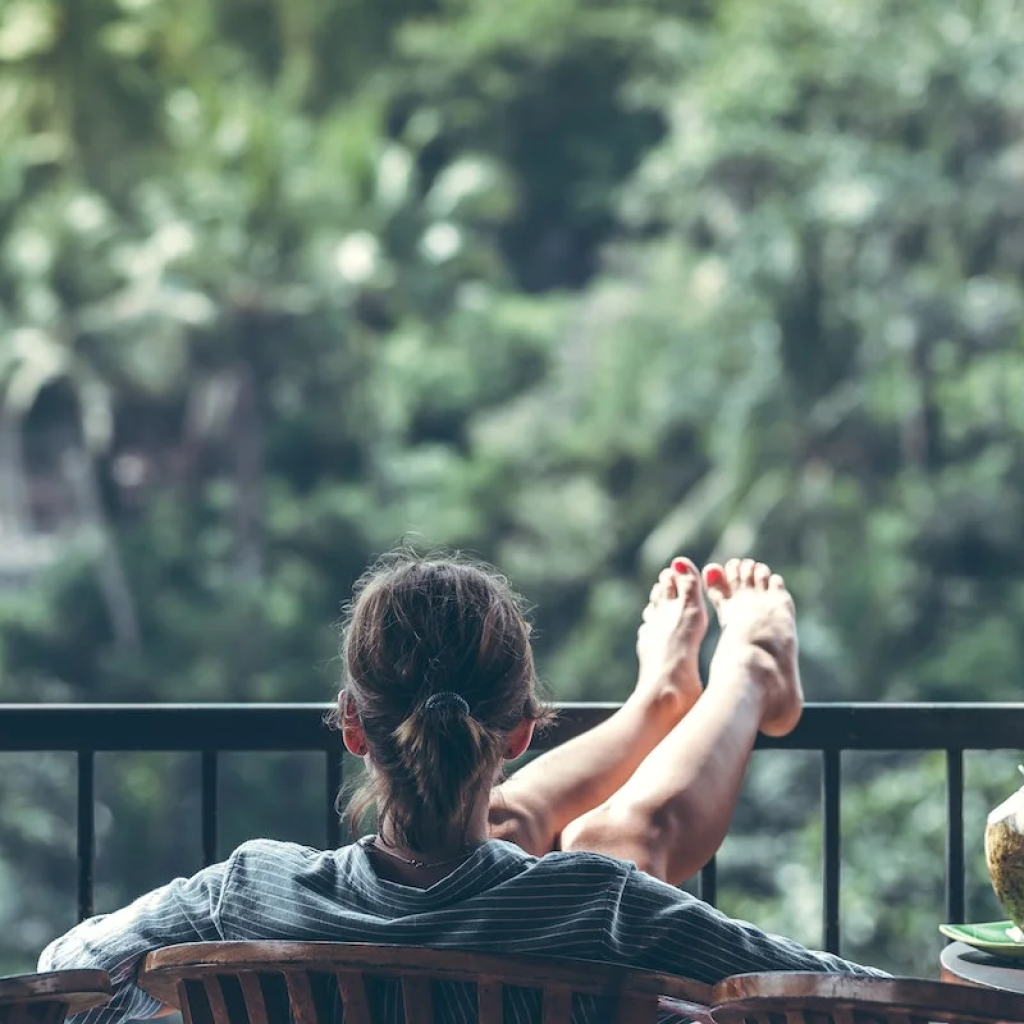
Slow travel encourages travellers to stop chasing landmarks and start engaging with places. Instead of rushing between monuments, travellers spend time:
- Learning local crafts
- Attending village festivals
- Exploring food culture deeply
- Walking, cycling, and observing daily life
This approach transforms travel into a personal journey rather than a performance for social media. Memories become richer, and experiences last longer.
6. Sustainability at the Core of Slow Travel
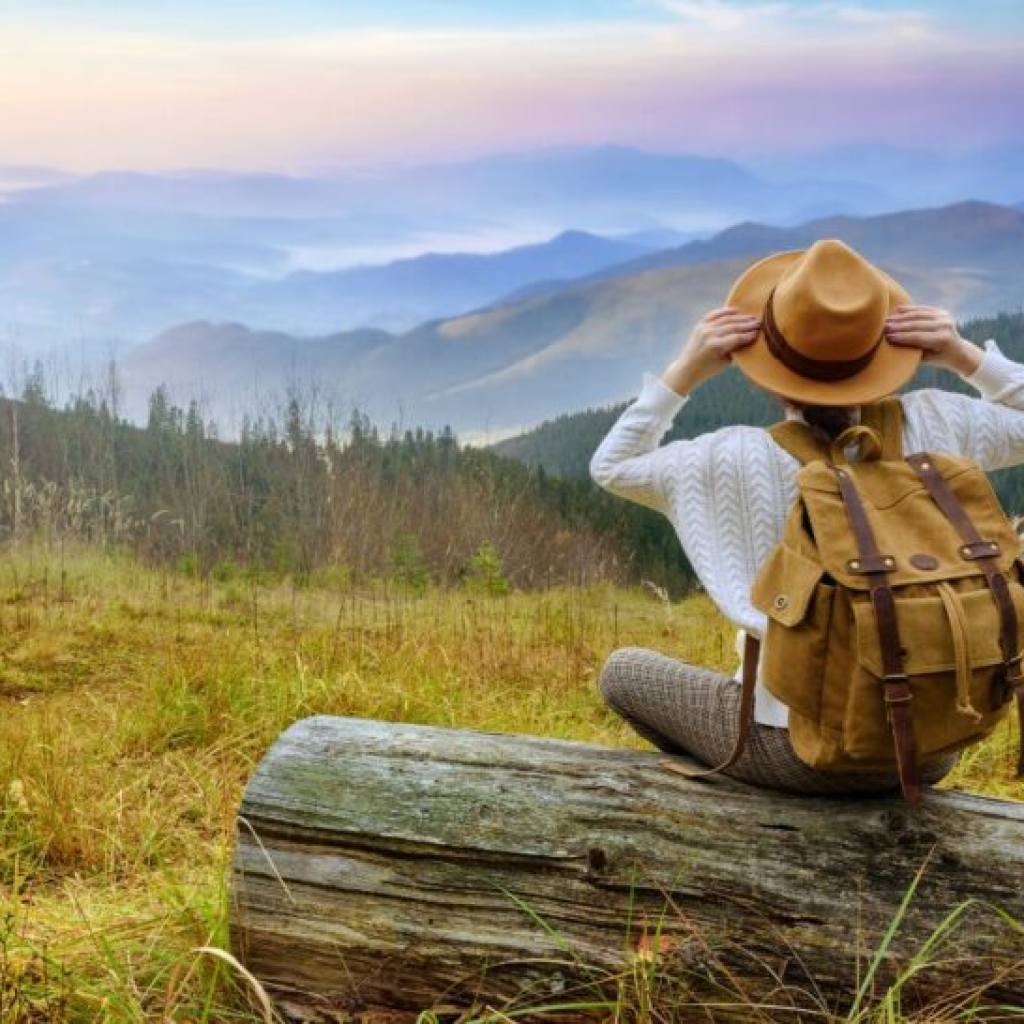
Sustainability isn’t an add-on in 2026—it’s embedded in slow travel. Fewer flights, longer stays, local sourcing, and eco-conscious accommodations naturally reduce environmental impact.
Slow travellers often choose:
- Eco-lodges and green-certified stays
- Local guides instead of mass tours
- Seasonal, locally sourced food
Global tourism organizations highlight slow travel as one of the most responsible ways to explore the world while preserving destinations for future generations.
Why Slow Travel Defines Luxury in 2026
True luxury in 2026 is time—time to rest, time to connect, and time to experience places deeply. Slow travel offers that rare gift.
It’s not about how many countries you visit, but how present you are in each moment. It’s waking up without alarms, knowing your surroundings, and leaving a place with understanding rather than just photographs.
For inspiration, planning insights, and thoughtfully curated journeys designed for the new era of 2026 travel, explore expert stories and guides at https://planetearthholidays.com/blog/.
Because in 2026, the most luxurious journey isn’t the fastest one—it’s the one that lets you slow down and truly arrive. 🌿✈️
0 Comment