



✨ Experience-Based Travel (Not Just Destinations)

The way people travel is changing rapidly. In 2026, tourism is no longer just about visiting famous landmarks or ticking destinations off a bucket list—it’s about creating meaningful, personal experiences that leave lasting memories.
Today’s travelers are seeking authentic, immersive, and emotional journeys. Instead of simply seeing a place, they want to live it. This shift has given rise to experience-based travel, one of the most powerful trends shaping the future of global tourism.
🌟 What Is Experience-Based Tourism?
Experience-based tourism focuses on actively engaging with a destination’s culture, people, and traditions rather than passively sightseeing.
Examples include:
- Learning pottery in Japan
- Weaving textiles in Peru
- Taking a cooking class in Italy
- Participating in local festivals
- Staying in heritage homes or eco-villages
These experiences allow travelers to connect deeply with the destination, making their journey more memorable and meaningful.
👉 Explore curated experiential trips at Planet Earth Holidays
💡 Why Experience-Based Travel Is Growing in 2026
1. Travelers Want Meaningful Connections
Modern tourists are no longer satisfied with surface-level travel. They want to:
- Interact with locals
- Understand traditions
- Experience real lifestyles
This emotional connection is what makes a trip unforgettable.
2. Rise of Social Media & Storytelling
Travel is now about stories worth sharing.
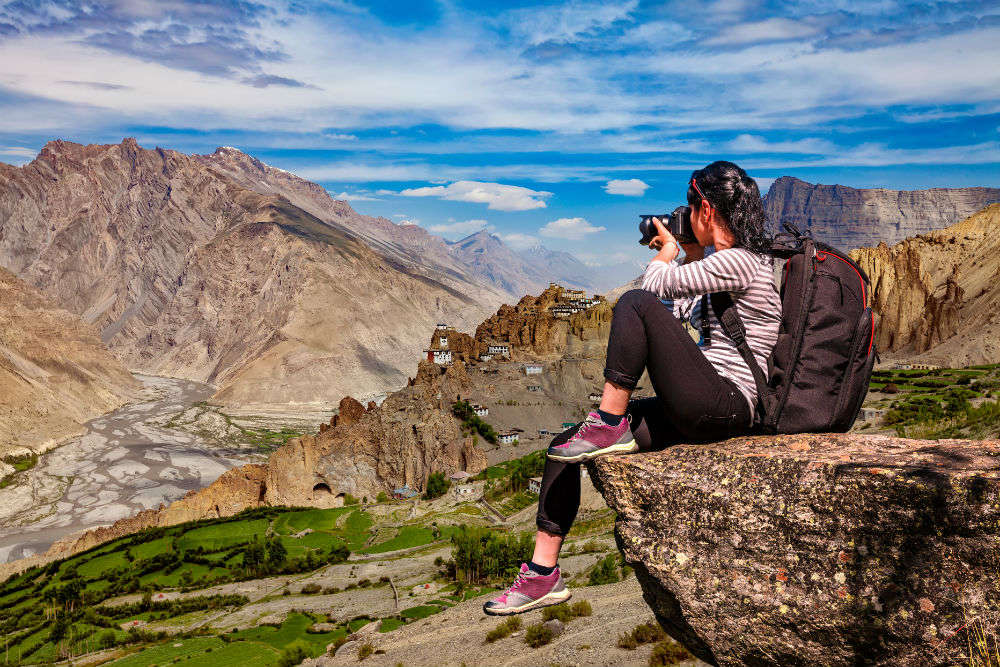

Instead of posting the same landmark photos, travelers prefer:
- Unique experiences
- Behind-the-scenes cultural moments
- Personal journeys
These create authentic content, making experience-based tourism even more popular.
3. Shift Toward Slow Travel
The fast-paced “see everything” style is fading. Travelers now prefer:
- Spending more time in one destination
- Exploring deeply rather than widely
- Enjoying relaxed, immersive experiences
This approach aligns perfectly with experience-based tourism.
4. Desire for Personal Growth
Travel is increasingly seen as a way to:
- Learn new skills
- Gain new perspectives
- Build emotional well-being
Whether it’s cooking, art, or spirituality, these experiences contribute to self-development through tourism.
🌏 Popular Experience-Based Travel Ideas
Here are some trending experiences redefining tourism in 2026:
🎨 Cultural & Creative Experiences
- Pottery workshops in Japan
- Painting and craft sessions in Europe
- Traditional dance classes in Bali
🍳 Culinary Tourism
- Cooking with locals in Italy or Thailand
- Spice plantation tours in Kerala
- Street food exploration tours
🏡 Local Living Experiences
- Homestays in villages
- Farm stays and eco-tourism
- Community-based tourism projects
🌿 Nature & Wellness Experiences
- Yoga retreats in India
- Meditation in the Himalayas
- Forest bathing and eco-trails
🇮🇳 Experience-Based Tourism in India

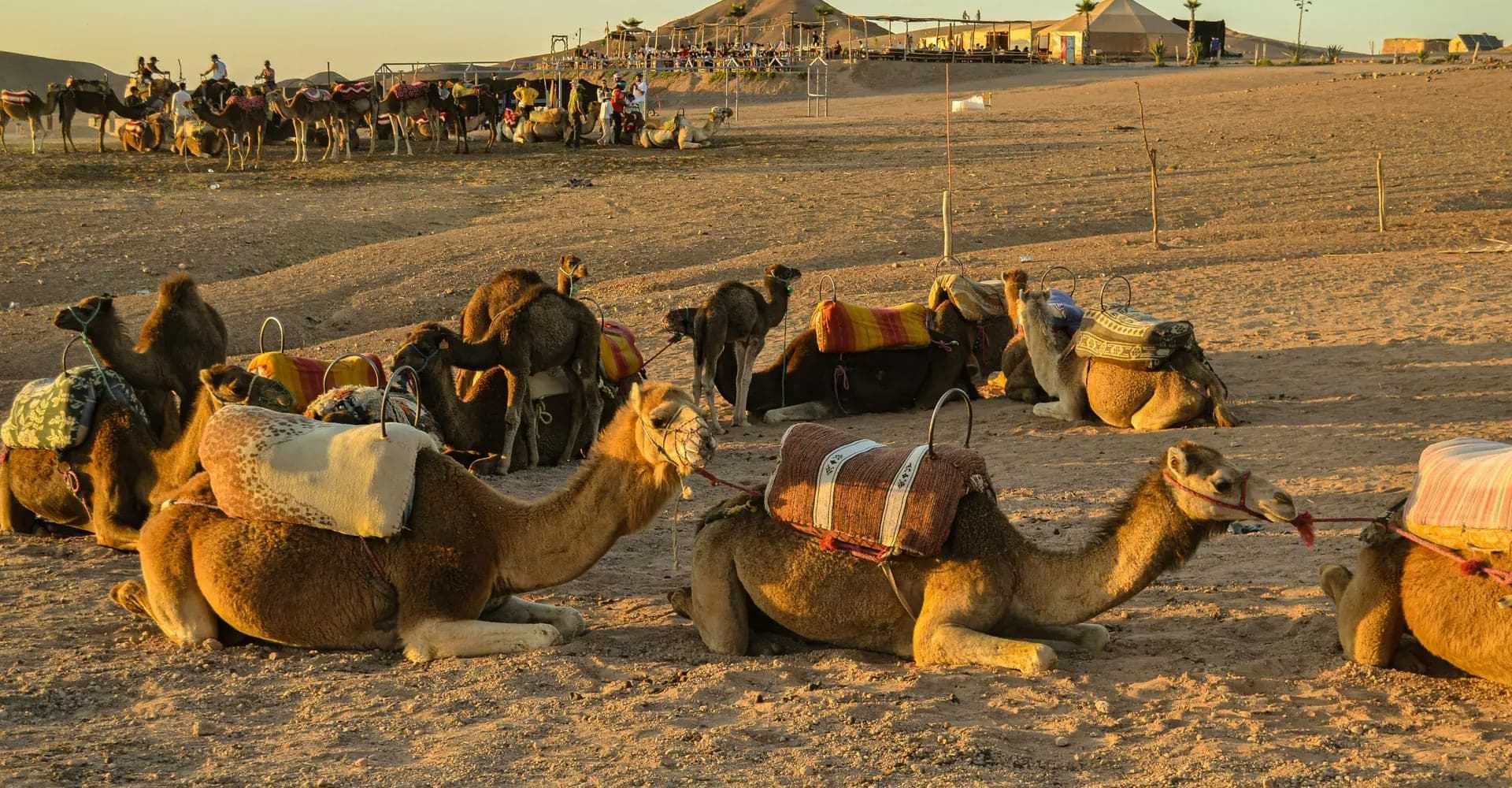

India is one of the best destinations for experiential tourism. Travelers can enjoy:
- Kerala: Backwater stays, Ayurveda, and village life
- Rajasthan: Desert safaris and cultural heritage experiences
- Himachal & Uttarakhand: Yoga and meditation retreats
- Northeast India: Tribal culture and eco-tourism
These experiences offer deep cultural immersion, making India a top choice for meaningful travel.
📈 Impact on the Tourism Industry
The rise of experience-based travel is transforming the tourism industry in several ways:
- Hotels are offering curated experiences (cooking classes, cultural shows)
- Tour operators are focusing on personalization
- Local communities are becoming part of tourism development
This shift is not only enhancing traveler satisfaction but also supporting sustainable and responsible tourism.
For more insights on global travel trends, you can explore this detailed report on Travel Trends by Condé Nast Traveler
🚀 The Future of Tourism
Experience-based tourism is not just a trend—it is the future of travel.
In the coming years, we can expect:
- More personalized travel itineraries
- Growth in niche experiences (art, wellness, adventure)
- Increased focus on sustainability and local communities
- Technology-driven customization (AI travel planning)
Travel will continue to evolve into something more human, emotional, and enriching.
✨ Conclusion
In 2026, tourism is no longer about where you go—it’s about what you experience. Travelers are choosing journeys that offer connection, authenticity, and meaning over traditional sightseeing.
Experience-based travel allows people to:
- Create lasting memories
- Learn and grow
- Connect with cultures deeply
As this trend continues to grow, it is clear that the future of tourism lies in experiences that touch the heart, not just the itinerary.
0 Comment