

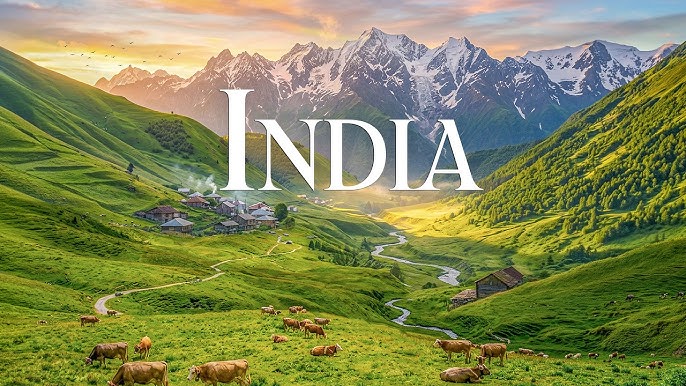

When people think of India Travel, destinations like Goa, Kerala, Rajasthan, and Himachal Pradesh often dominate the conversation. However, India’s Northeast region remains one of the country’s most spectacular yet underexplored treasures. Comprising eight states blessed with pristine landscapes, unique cultures, rich biodiversity, and warm hospitality, Northeast India offers unforgettable experiences for travelers seeking something beyond the ordinary.
From crystal-clear rivers and Himalayan monasteries to lush valleys and the world’s largest river island, Northeast India is a paradise for nature lovers, adventure enthusiasts, and cultural explorers.
Why Northeast India Is Emerging as a Top Travel Destination
Northeast India is gaining popularity among travelers who want authentic experiences away from crowded tourist destinations. Improved road connectivity, better tourism infrastructure, and growing awareness on social media have made the region increasingly accessible.
The area offers:
- Untouched natural beauty
- Diverse tribal cultures
- Adventure tourism opportunities
- Sustainable travel experiences
- Scenic mountain landscapes
- Unique culinary traditions
Let’s explore some of the hidden gems that deserve a place on every traveler’s bucket list.
Tawang, Arunachal Pradesh – The Land of Monasteries

Nestled at an altitude of over 10,000 feet, Tawang is one of Northeast India’s most breathtaking destinations. Surrounded by snow-capped mountains and Buddhist monasteries, Tawang offers a perfect blend of spirituality and adventure.
Top attractions include:
- Tawang Monastery
- Sela Pass
- Madhuri Lake
- Nuranang Waterfall
- Bum La Pass
The destination is ideal for travelers interested in Himalayan landscapes, Buddhist culture, and scenic road trips.
Ziro Valley – A Cultural Paradise

Located in Arunachal Pradesh, Ziro Valley is famous for its stunning green landscapes and the unique culture of the Apatani tribe.
Recognized for its sustainable agricultural practices, Ziro offers visitors an opportunity to experience:
- Traditional tribal villages
- Rice fields and bamboo groves
- Nature walks
- Cultural festivals
- Local cuisine
The internationally renowned Ziro Music Festival has also helped place the valley on India’s travel map.
Dawki, Meghalaya – Home to Crystal-Clear Waters

Few destinations in India can match the surreal beauty of Dawki. Located near the India-Bangladesh border, this small town is famous for the Umngot River, whose waters are so clear that boats appear to float on air.
Popular experiences include:
- Boating on the Umngot River
- Camping by the riverside
- Photography tours
- Exploring nearby waterfalls
- Border viewpoint visits
Dawki is one of Meghalaya’s most photogenic destinations and a must-visit for nature lovers.
Majuli, Assam – The World’s Largest River Island

Situated on the mighty Brahmaputra River, Majuli is one of the most culturally significant destinations in Northeast India.
Majuli is known for:
- Ancient Vaishnavite monasteries (Satras)
- Traditional Assamese culture
- Rural tourism experiences
- Birdwatching opportunities
- Handicrafts and mask-making traditions
Visitors can immerse themselves in the island’s peaceful atmosphere while learning about centuries-old traditions that continue to thrive today.
Dzukou Valley, Nagaland – The Valley of Flowers of the Northeast

Located on the border of Nagaland and Manipur, Dzukou Valley is one of India’s most beautiful trekking destinations.
Known for:
- Seasonal wildflower blooms
- Rolling green hills
- Trekking adventures
- Stunning sunrise and sunset views
- Camping experiences
The valley is often called the “Valley of Flowers of the Northeast” because of its spectacular seasonal blossoms and untouched beauty.
Adventure and Cultural Experiences
Northeast India offers some of the most unique adventure and cultural experiences in the country.
Adventure Activities
- Trekking in Dzukou Valley
- River boating in Dawki
- Mountain road trips in Tawang
- Wildlife safaris in Assam
- Camping and hiking experiences
Cultural Experiences
- Tribal village visits
- Traditional festivals
- Monastery tours
- Local handicraft workshops
- Indigenous culinary experiences
These activities provide travelers with a deeper understanding of the region’s rich cultural heritage and natural beauty.
Best Time to Visit Northeast India
The ideal time to explore most destinations in Northeast India is:
October to April
- Pleasant weather
- Clear mountain views
- Ideal for sightseeing and trekking
May to June
- Comfortable temperatures
- Blooming landscapes
July to September
- Lush greenery
- Waterfalls at their best
- Suitable for monsoon lovers, though travel may be affected by heavy rainfall
Travel Permits and Planning Tips
Before planning your Northeast India journey, keep the following points in mind:
Inner Line Permit (ILP)
Indian travelers require an Inner Line Permit to visit certain states, including Arunachal Pradesh, Nagaland, and Mizoram.
Travel Preparation
- Carry valid identification documents.
- Check permit requirements in advance.
- Plan transportation carefully, especially in remote areas.
- Book accommodations early during peak tourist seasons.
- Respect local customs and traditions.
For official travel information:
Arunachal Pradesh Tourism
Why Northeast India Should Be on Your Travel List
As travelers increasingly seek authentic and sustainable experiences, Northeast India continues to emerge as one of the most exciting regions for India Travel. The combination of breathtaking landscapes, vibrant cultures, adventure opportunities, and warm hospitality makes it an unforgettable destination.
Whether you’re exploring the monasteries of Tawang, boating on Dawki’s crystal-clear river, discovering the traditions of Majuli, trekking through Dzukou Valley, or experiencing tribal life in Ziro Valley, Northeast India promises experiences unlike anywhere else in the country.
0 Comment