

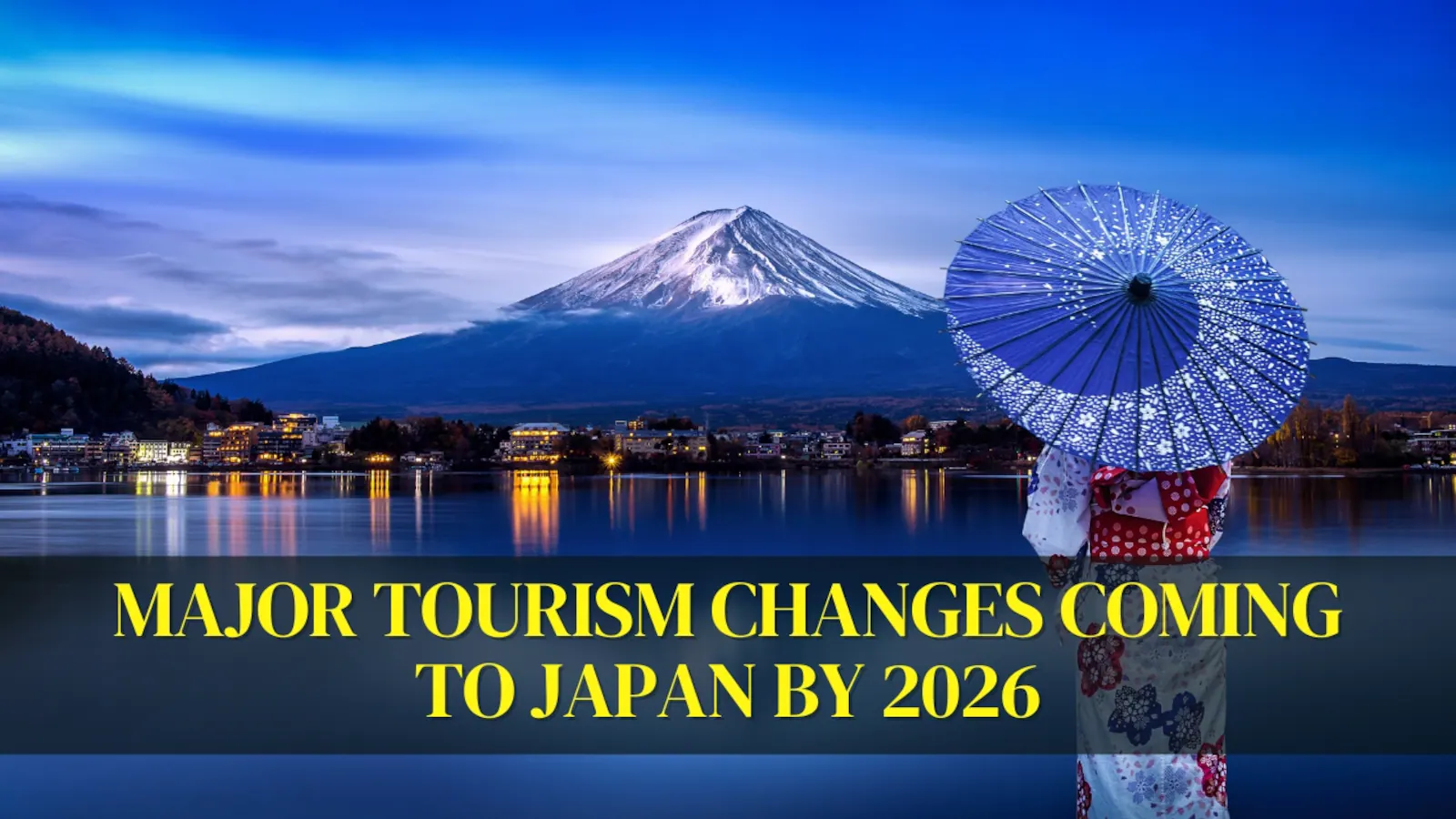

Japan has long been a dream destination, but in recent years it has evolved into something far more compelling—a place where tradition, innovation, and purpose-driven travel intersect. From neon-lit cities to serene temples, Japan offers a journey that is both visually stunning and emotionally enriching.
At Planet Earth Holidays Blog, we explore destinations that go beyond sightseeing—and Japan is a perfect example of how travel is transforming in 2026.
Why Japan Is One of the World’s Hottest Destinations
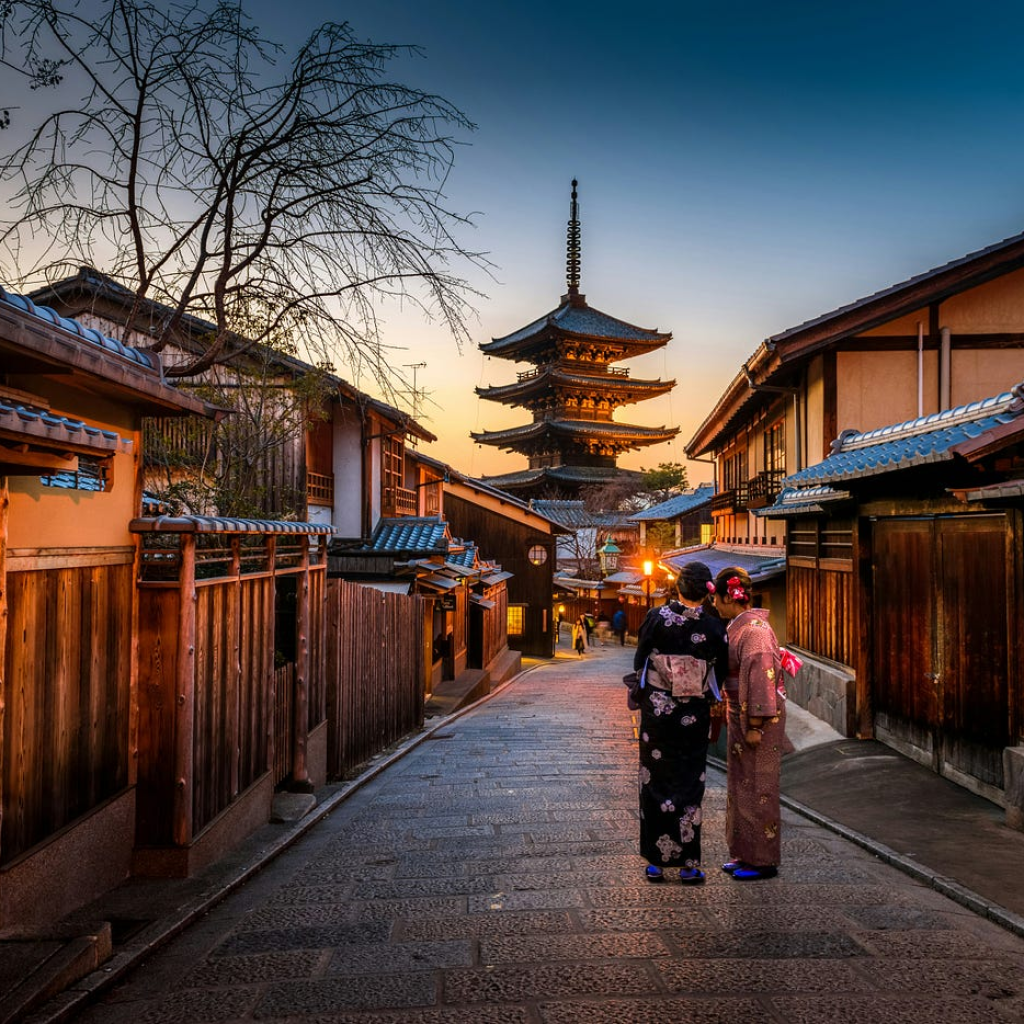
Japan’s tourism boom is undeniable. The country welcomed over 42 million international visitors in 2025, marking a significant rise in global interest (Tourist Japan). This surge is driven by a mix of cultural fascination, affordability due to a weaker yen, and a growing demand for immersive experiences.
From bustling cities like Tokyo to heritage-rich Kyoto, Japan appeals to every kind of traveler. What makes it unique, however, is its ability to blend ancient traditions with futuristic innovation—often within the same street.
Tokyo: The Pulse of Modern Japan
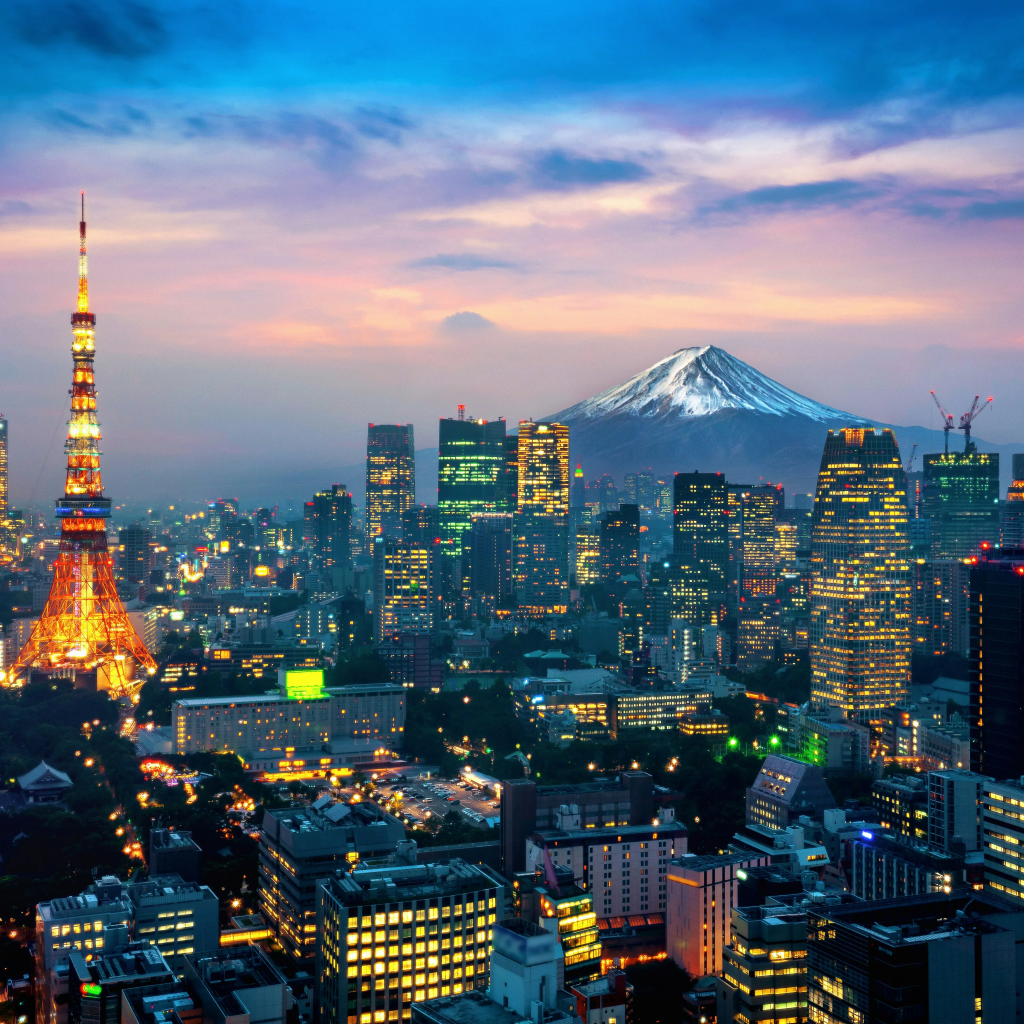
Tokyo is where most journeys begin—and it’s an experience like no other. The city is a vibrant mix of technology, fashion, food, and culture.
In neighborhoods like Shibuya and Shinjuku, you’ll find towering skyscrapers, digital billboards, and world-famous crossings. Yet, just a short distance away, quiet shrines and gardens offer a peaceful escape.
Tokyo reflects a key travel trend: contrast. Travelers are increasingly drawn to destinations that offer multiple experiences in one place—urban excitement paired with cultural depth.
Kyoto: A Journey into Japan’s Soul
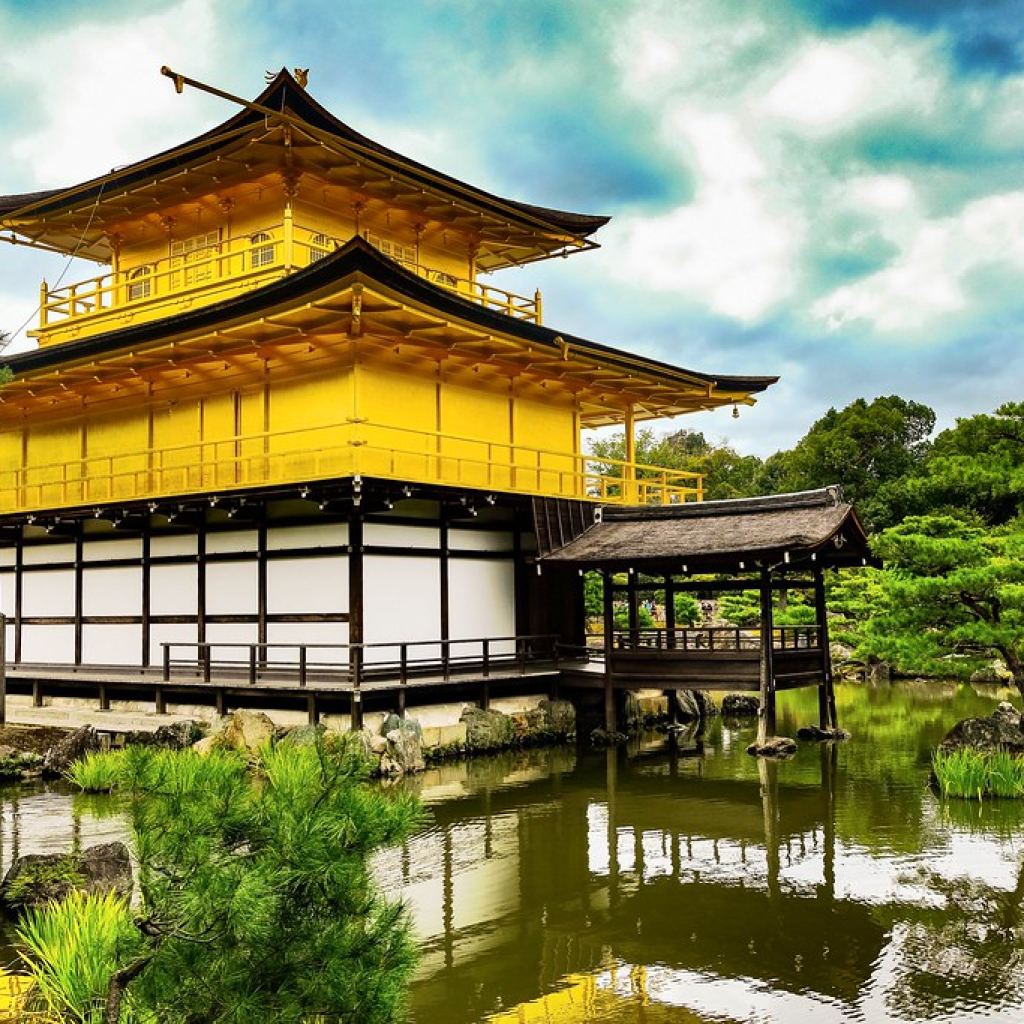
If Tokyo is the future, Kyoto is the past preserved beautifully. Known for its temples, geishas, and traditional tea houses, Kyoto offers a deeper cultural connection.
Walking through the historic streets of Gion or visiting ancient temples like Kinkaku-ji provides a glimpse into Japan’s rich heritage. This aligns with the growing trend of cultural immersion, where travelers seek meaningful experiences rather than just sightseeing.
Many visitors now participate in tea ceremonies, calligraphy classes, or traditional cooking workshops—turning their trip into a whycation, where purpose drives the journey.
Beyond the Cities: Discovering Hidden Japan
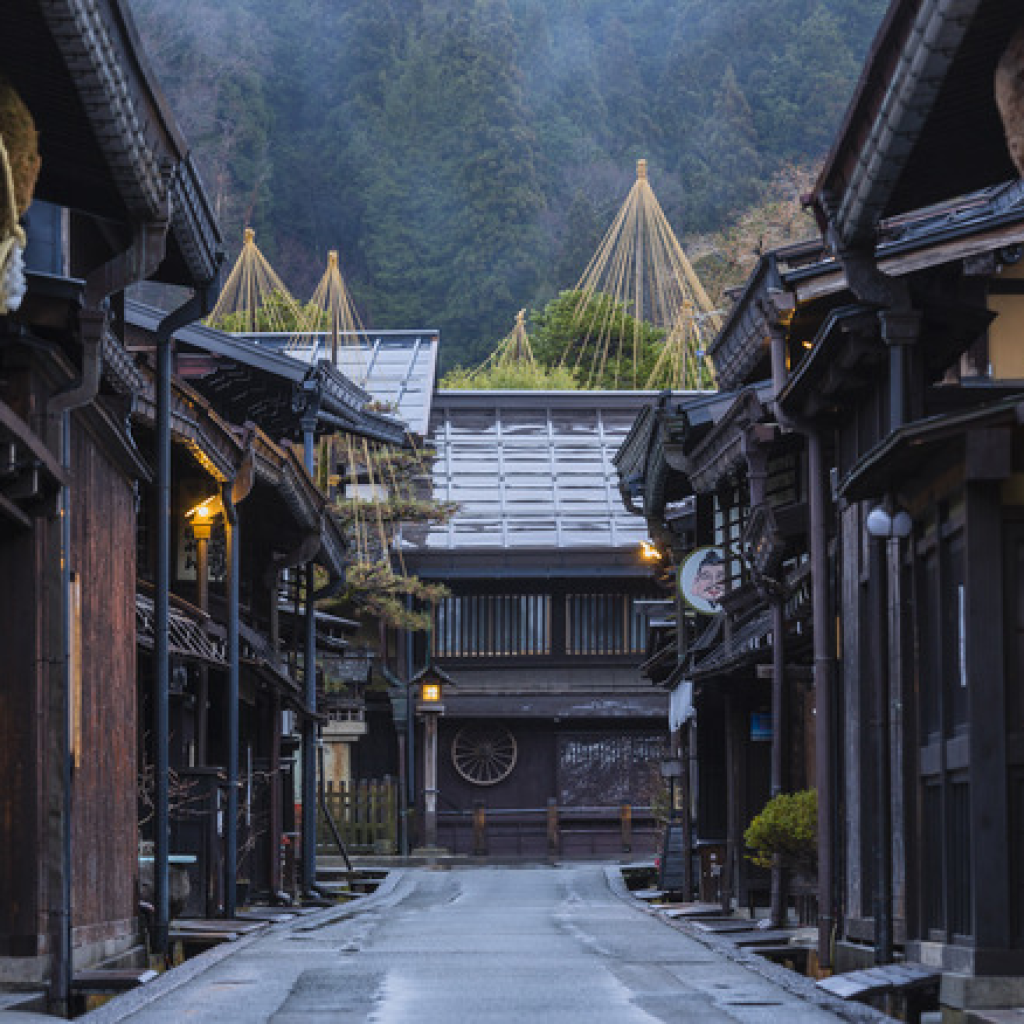
While Tokyo and Kyoto remain iconic, modern travelers are venturing beyond these hotspots. Rural destinations like Takayama, Hakone, and Hokkaido are gaining popularity for their natural beauty and authenticity.
This shift is partly due to overtourism in major cities, encouraging travelers to explore lesser-known regions. It also reflects a broader trend toward slow travel—taking time to connect with local communities and landscapes.
Japan’s countryside offers:
- Scenic mountain views and hot springs (onsen)
- Traditional ryokan stays
- Local festivals and cultural experiences
These offbeat destinations provide a quieter, more intimate side of Japan.
Food as an Experience

Japanese cuisine is a major reason travelers flock to the country. But in 2026, food is no longer just about eating—it’s about experiencing.
From sushi-making classes in Tokyo to street food tours in Osaka, culinary travel is booming. Visitors are eager to understand the stories behind dishes, ingredients, and traditions.
According to tourism data, a significant portion of travel spending in Japan goes toward food and dining, highlighting its importance in the overall travel experience (Tourist Japan).
Travel Trends Shaping Japan in 2026
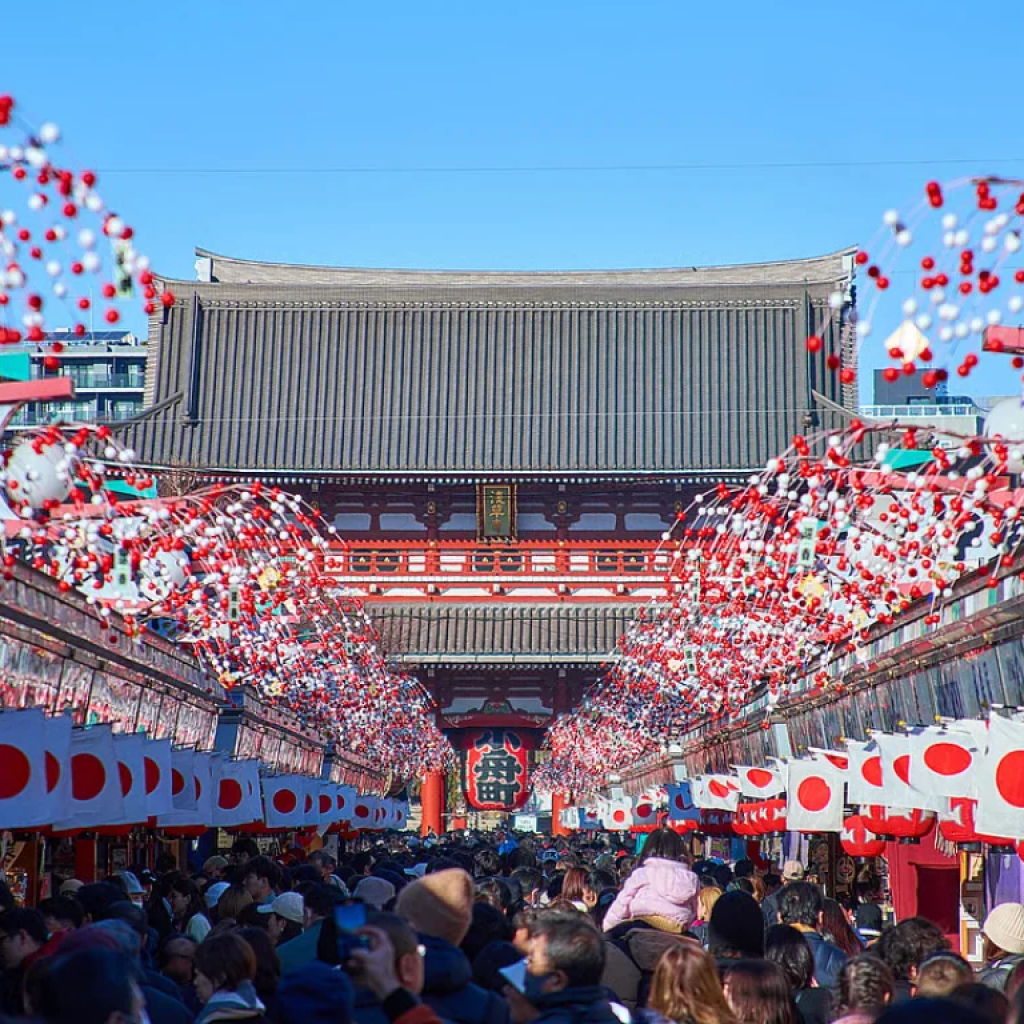
Japan is at the forefront of several global travel trends:
1. Experience-Driven Travel
Travelers are prioritizing hands-on activities like cultural workshops and guided tours.
2. Repeat Visits
Many tourists return to Japan within a few years to explore new regions and experiences (Tourist Japan).
3. Sustainable Tourism
With rising visitor numbers, there’s a growing focus on responsible travel and preserving local communities.
4. Year-Round Travel
Japan is no longer just about cherry blossoms—snow पर्यटन, summer festivals, and autumn foliage are equally popular.
Planning Your Japan Trip
If you’re considering Japan for your next vacation, here are a few tips:
- Best Time to Visit: Spring (March–April) for cherry blossoms or autumn (October–November) for foliage
- Duration: 7–10 days to explore major highlights
- Must-Do Experiences: Bullet train ride, temple visits, local food tours
- Travel Style: Combine cities with rural escapes for a balanced itinerary
Planning a trip to Japan can feel overwhelming, but curated travel guides and expert insights on Planet Earth Holidays Blog can help you design the perfect journey.
Final Thoughts
Japan is more than a destination—it’s an experience that stays with you long after your journey ends. Whether you’re exploring ancient temples, tasting world-class cuisine, or wandering through neon-lit streets, every moment feels intentional and unforgettable.
As travel continues to evolve, Japan stands out as a place that perfectly captures the essence of modern exploration: meaningful, immersive, and deeply inspiring.
If you’re looking for a destination that offers both discovery and transformation, Japan should be at the top of your list.
0 Comment